White deposits on a wall: have salts checked too
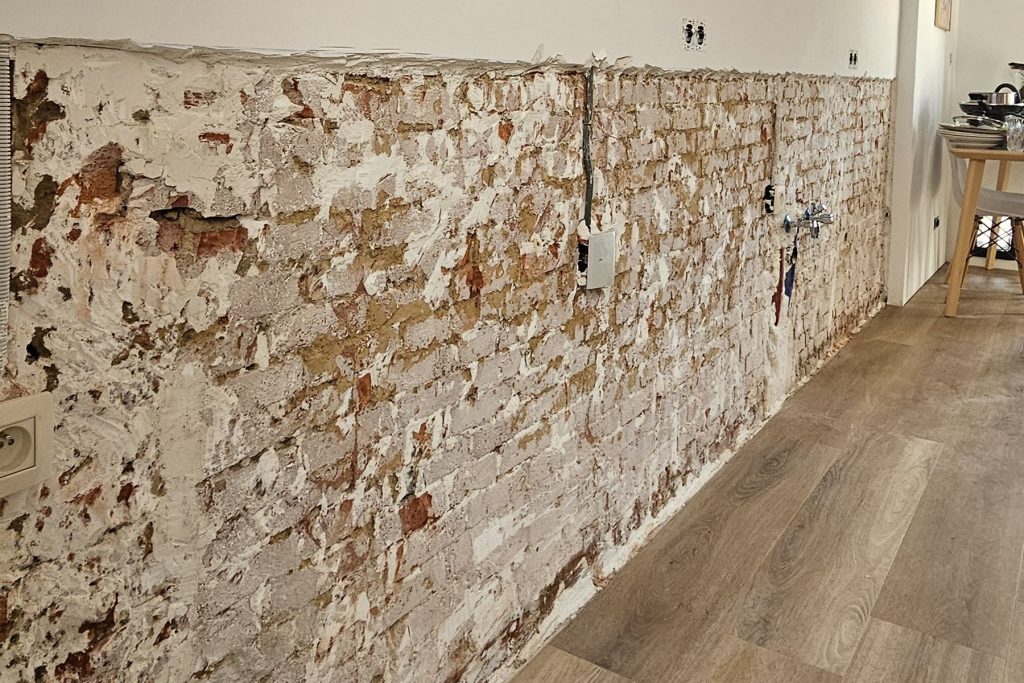
Powdery deposits and a damaged finish call for careful assessment. Visible deposits are a clue, not a complete diagnosis.
A musty smell at home: record the situation
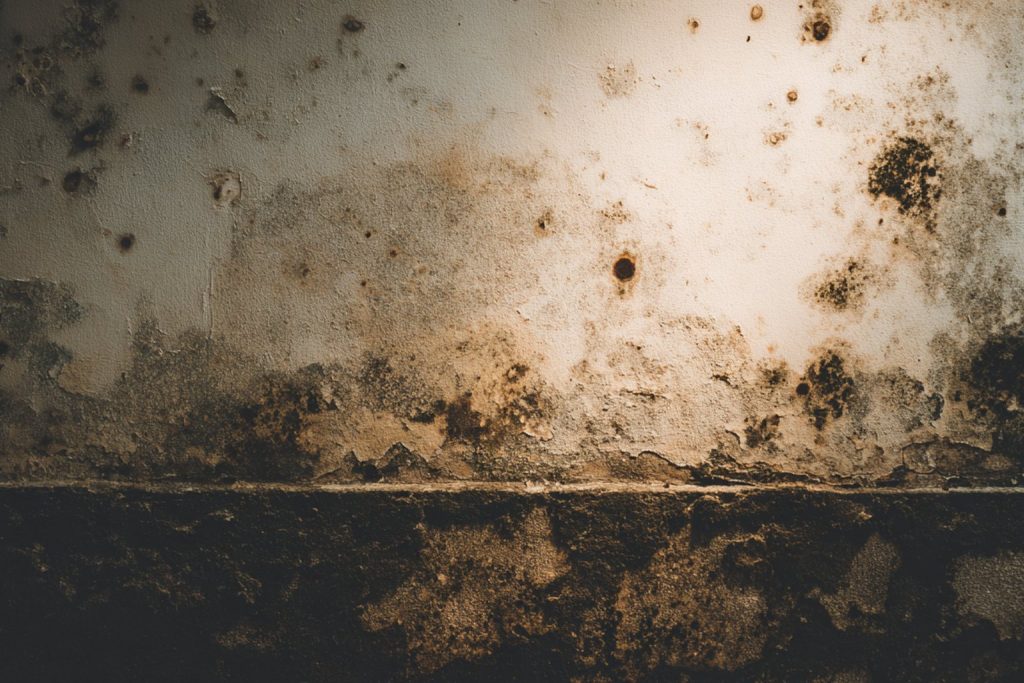
A recurring smell can be difficult to explain. A short overview of rooms, timings and visible changes makes the conversation more concrete.
Damp patches after rain: what does the timing tell you?
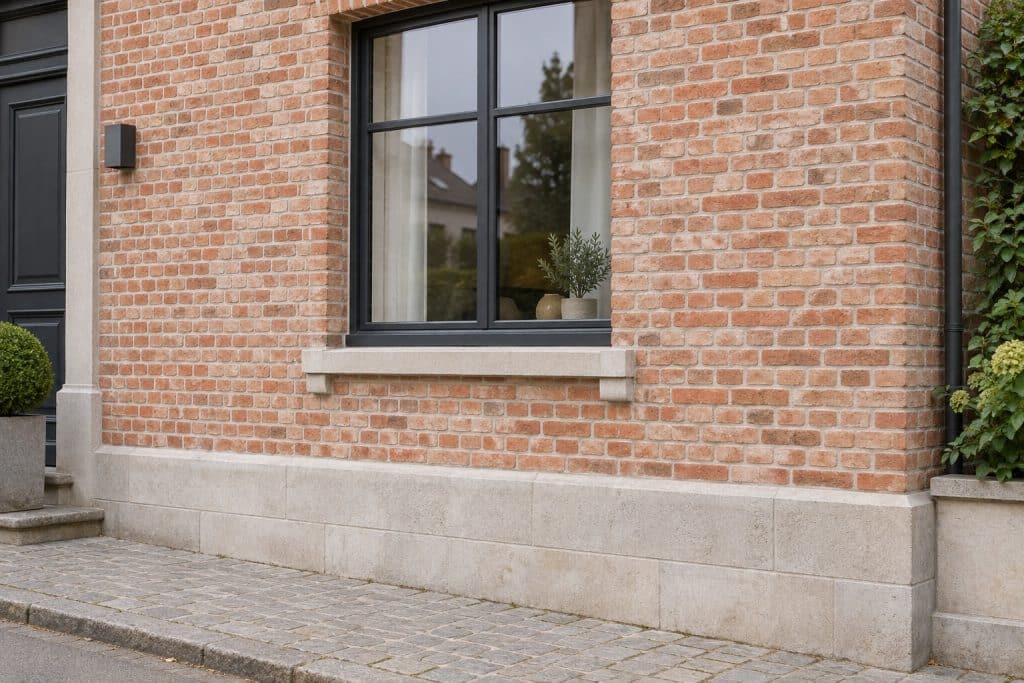
Does a patch appear after every shower of rain? Record the timing, location and changes before choosing a facade treatment.
Mould in the bathroom? Look at the moisture source too
Recurring bathroom patches need more than a fresh coat of paint. Record the pattern, ventilation and possible leaks.
A damp basement: start with the right pattern
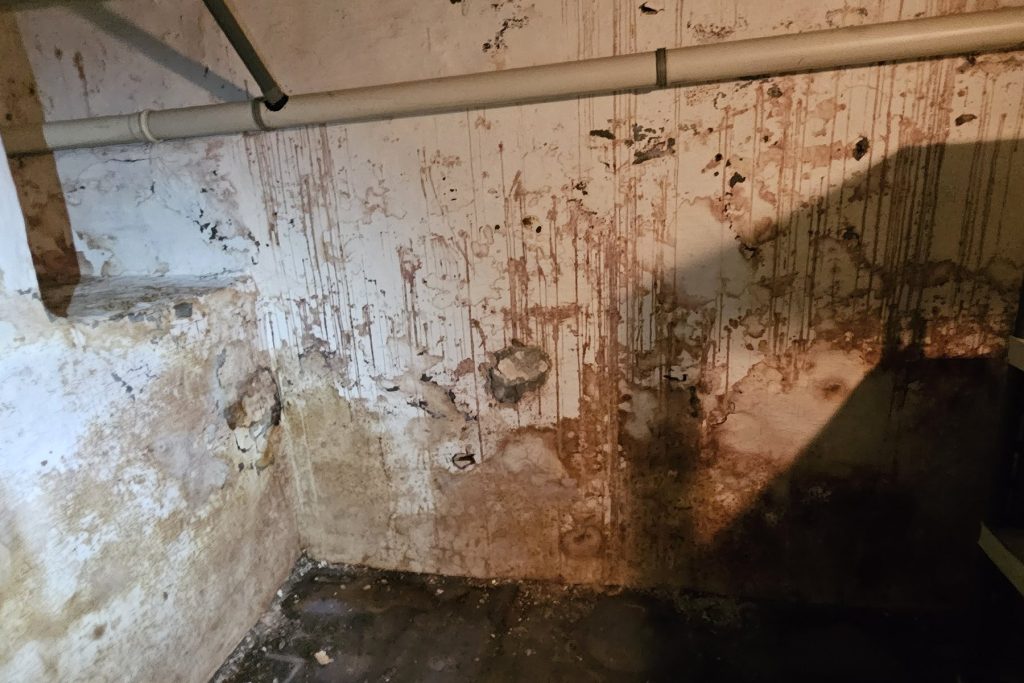
Droplets in summer are a different starting point from water after rain. Record what happens in your basement before choosing a solution.
Damp patches at the base of a wall: what do they tell you?
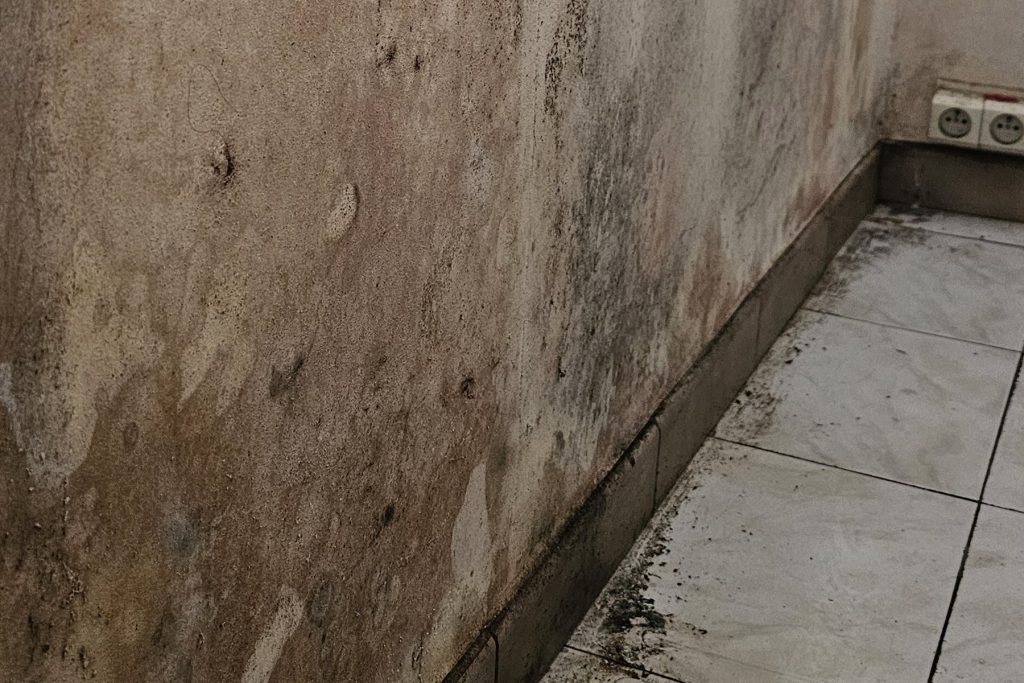
A dark edge, loose paint or white deposits? Learn which information helps investigate the cause of damp at the base of a wall.
A damp basement: what to note before you call
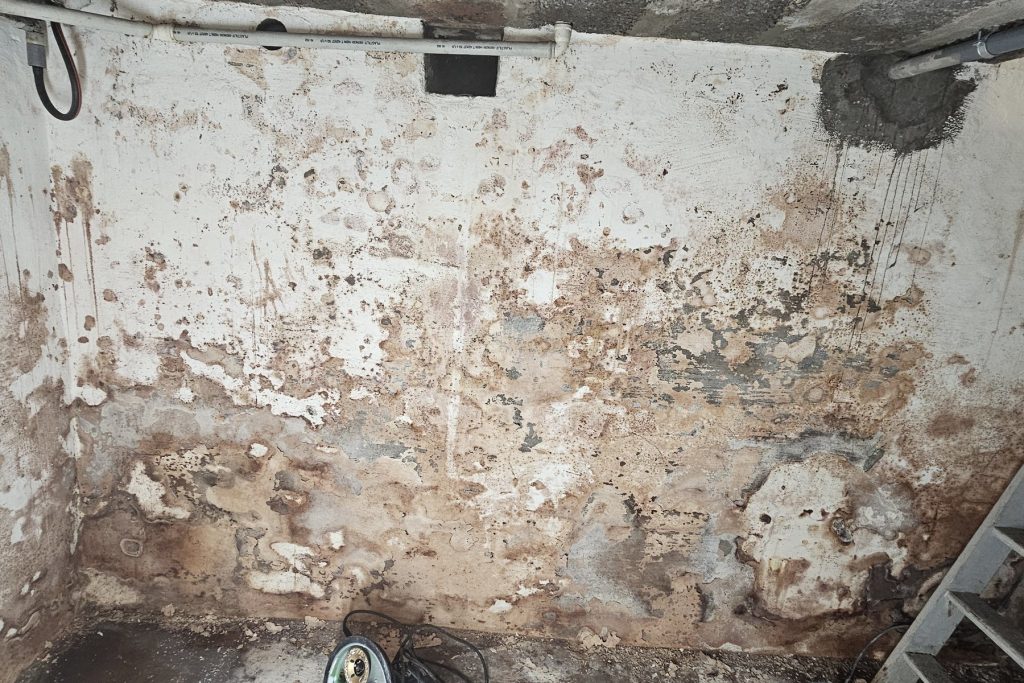
A simple record of where water appears and when it changes makes the first conversation more useful.
Damp or condensation? Start with the right questions
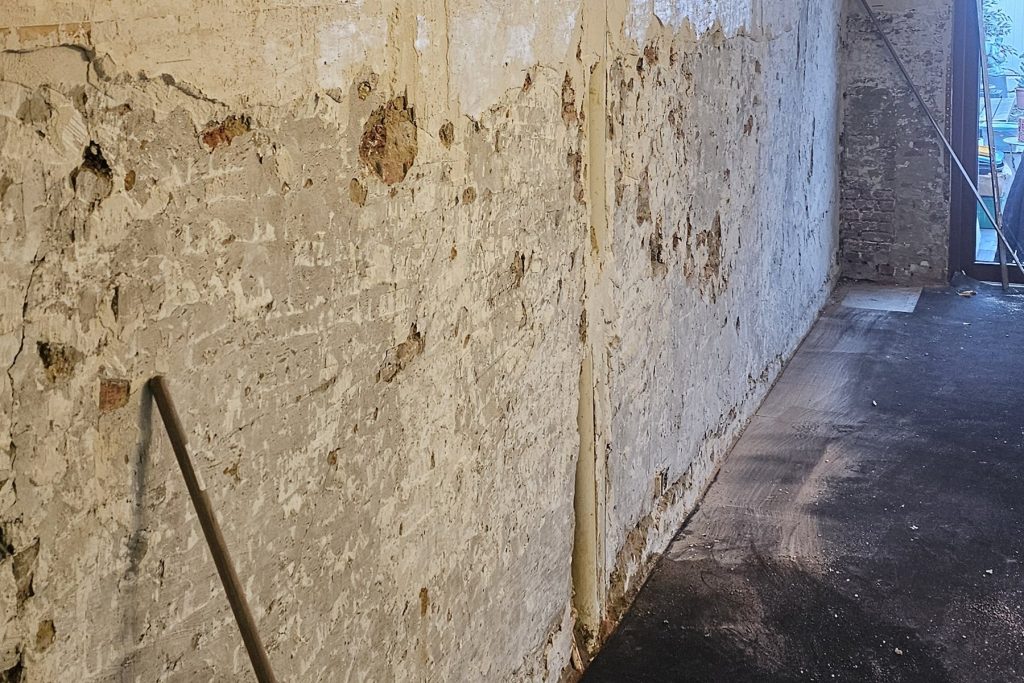
Where a patch appears, when it returns and what changes around it can help guide the next conversation.