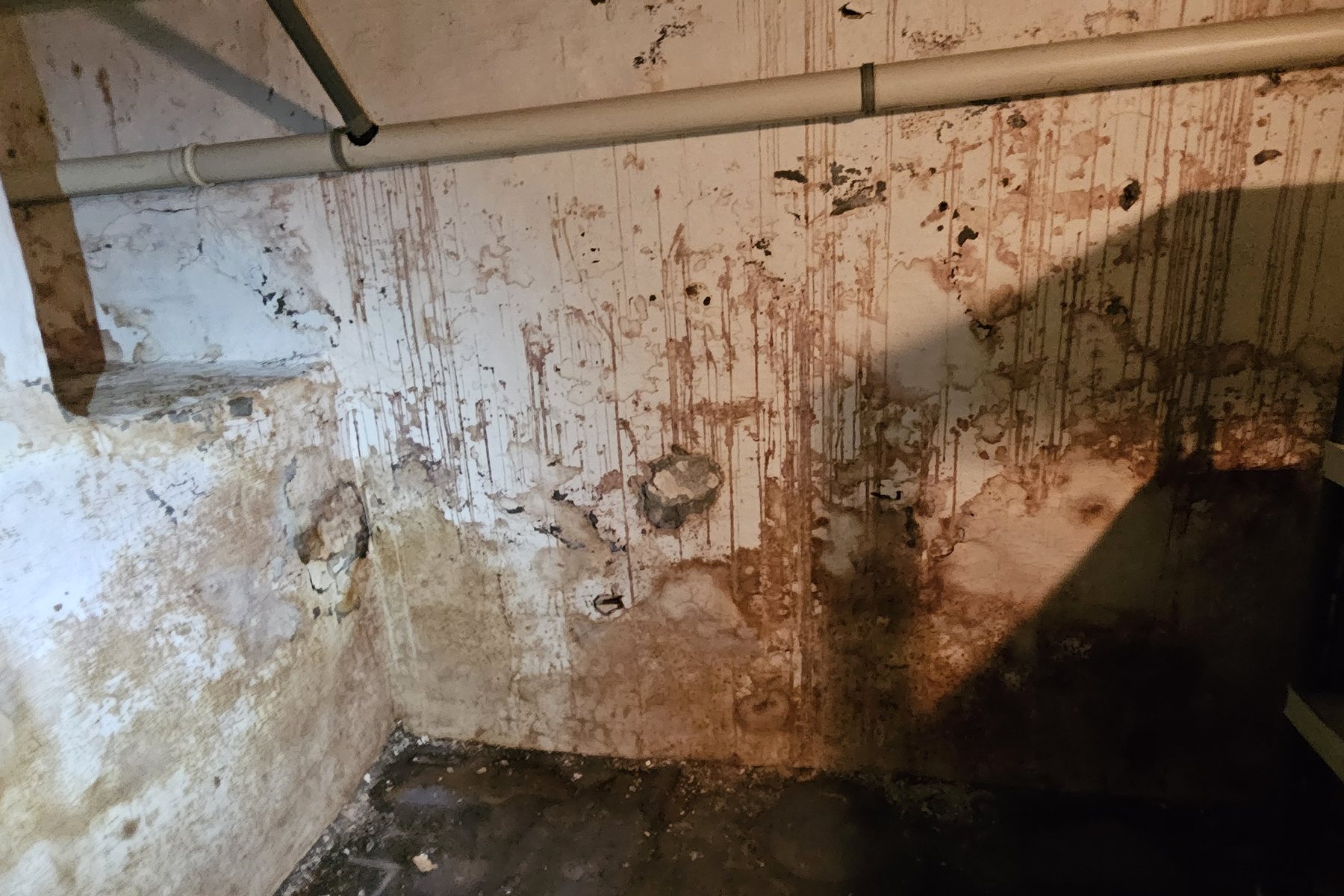
Not every damp basement needs the same intervention. An overview of locations, timings and changes helps you discuss the problem in a focused way.
Consider the season too
Buildwise explains that warm, humid outdoor air can condense on cooler basement surfaces in summer. Letting in more outdoor air is therefore not automatically the solution. This needs to be distinguished from water entering at a fixed location after rain, for example. Buildwise: surface condensation in a basement.
Bring your observations together
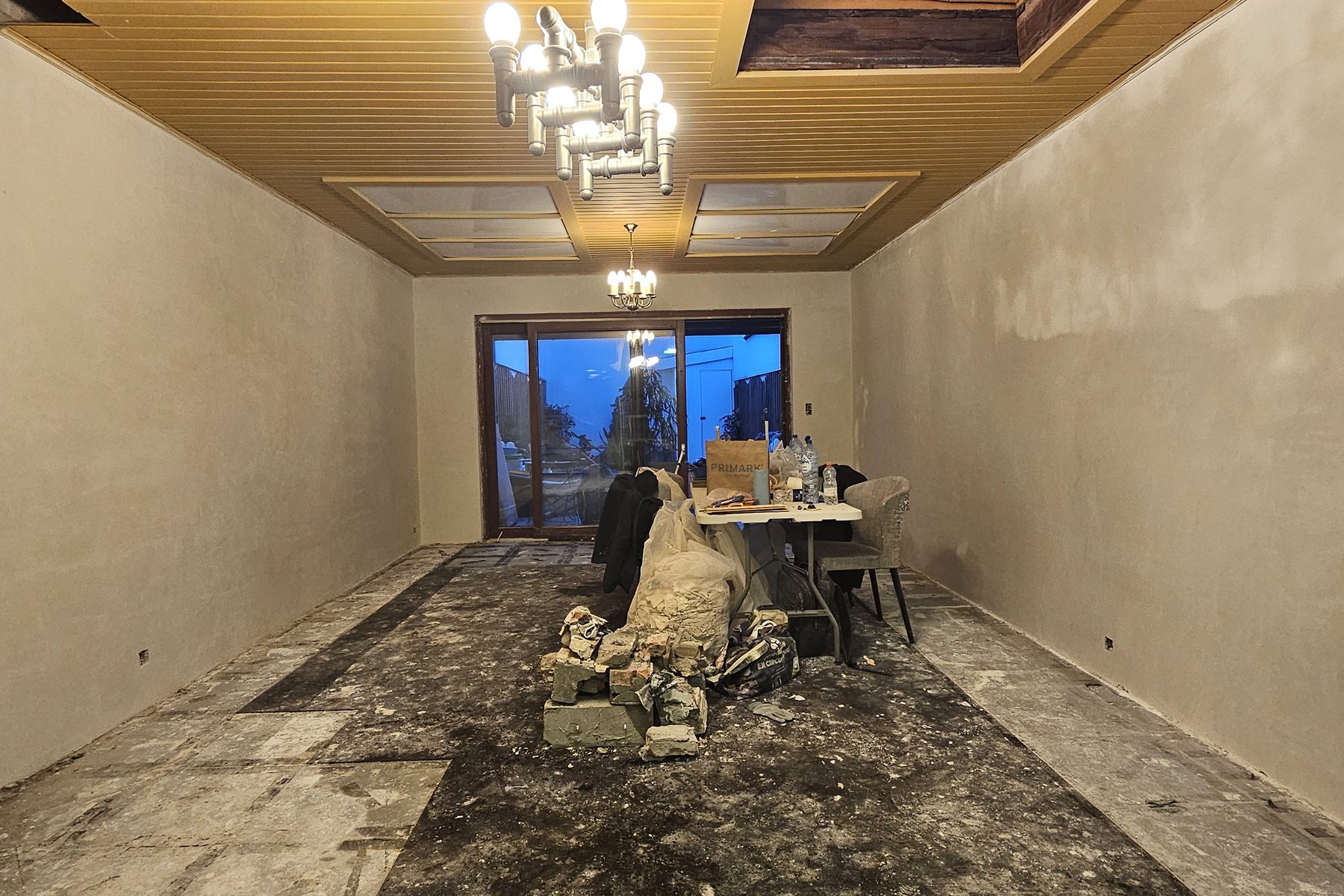
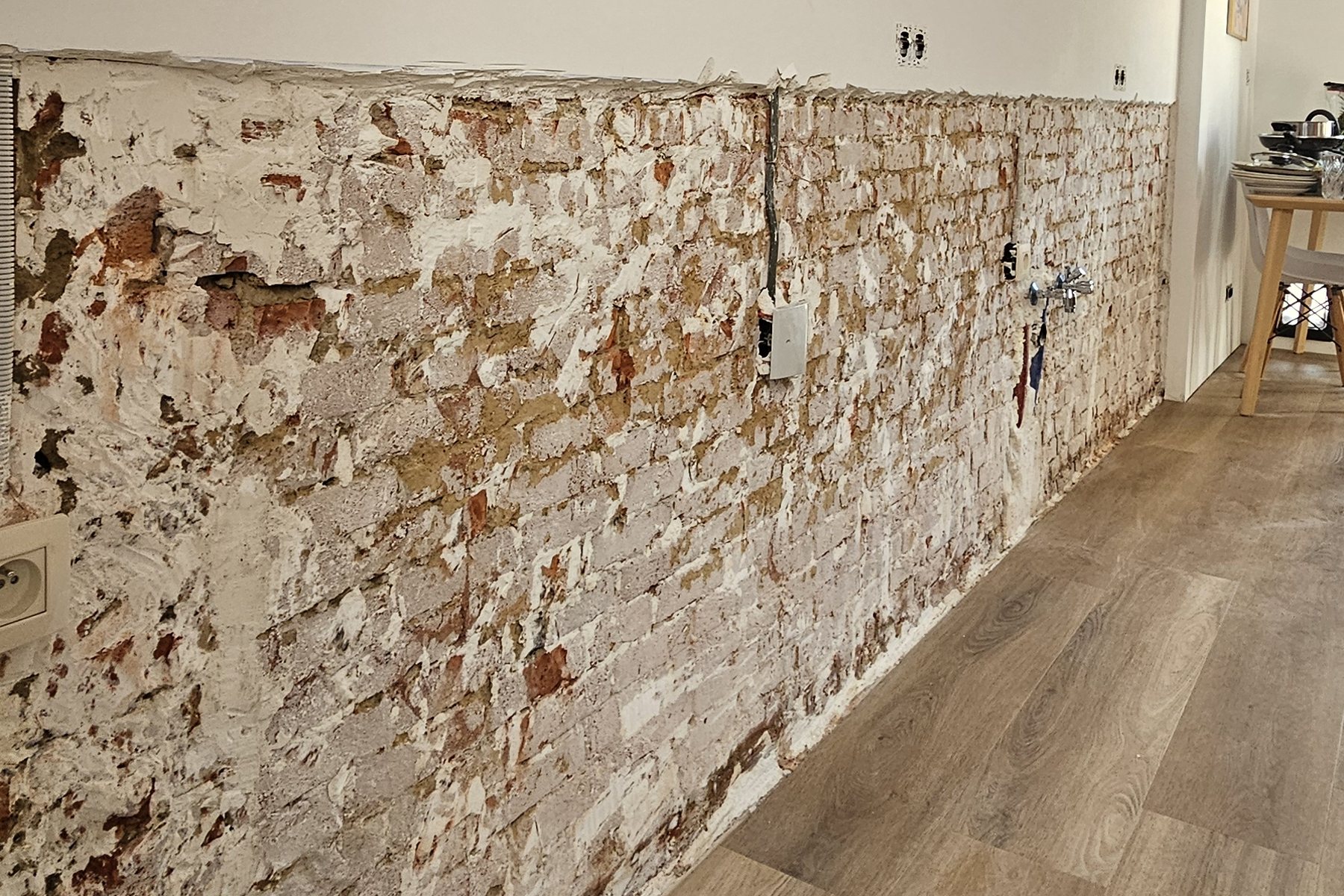
Make a simple record on your phone or on paper. Photograph the room from the same position so you can compare changes. Note how the basement is currently used and what you would like to use it for later.
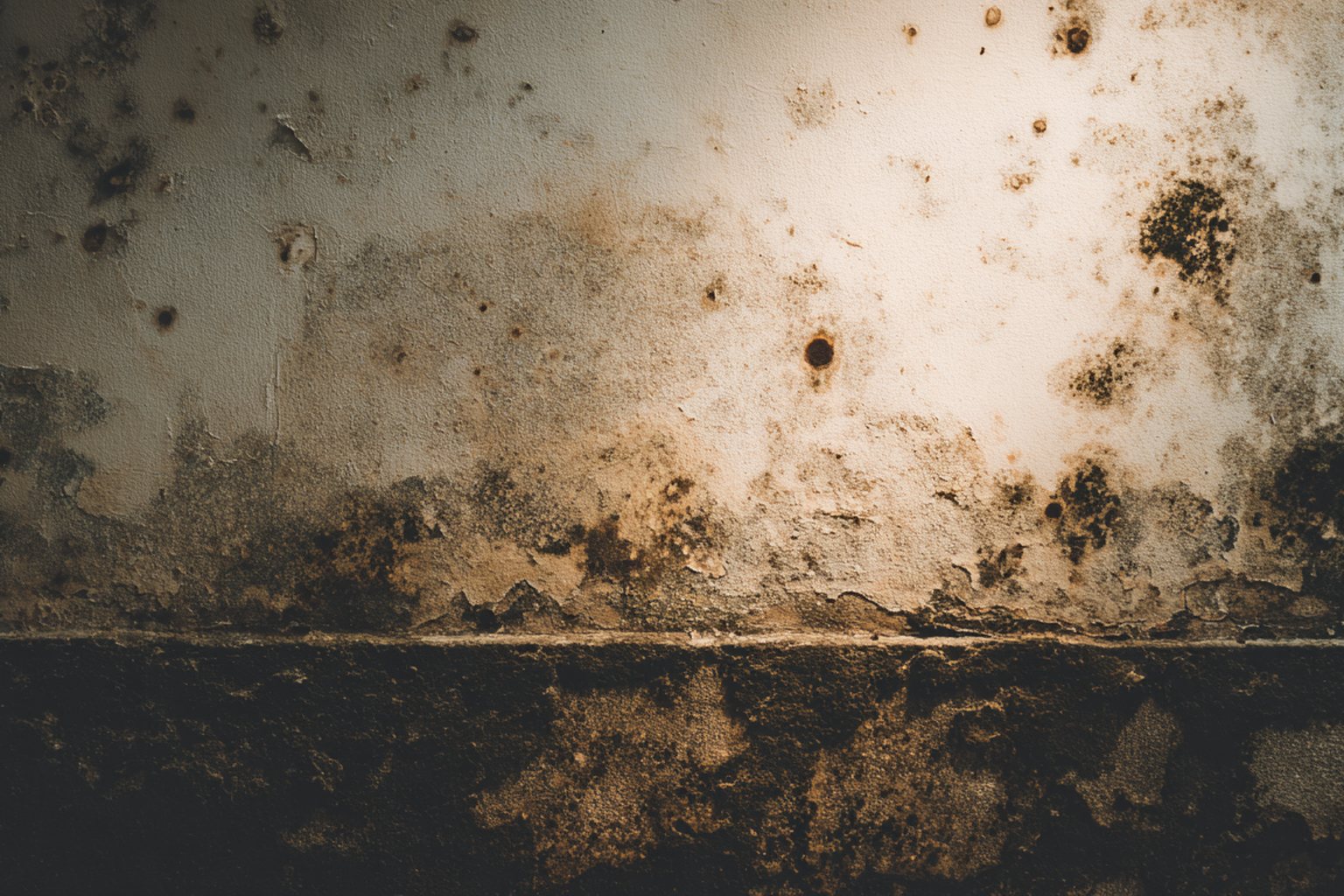
- Where does the damp appear: wall, floor, pipe or junction?
- When does it occur and what was the weather like?
- Is there a visible flow of water or mainly a damp surface?
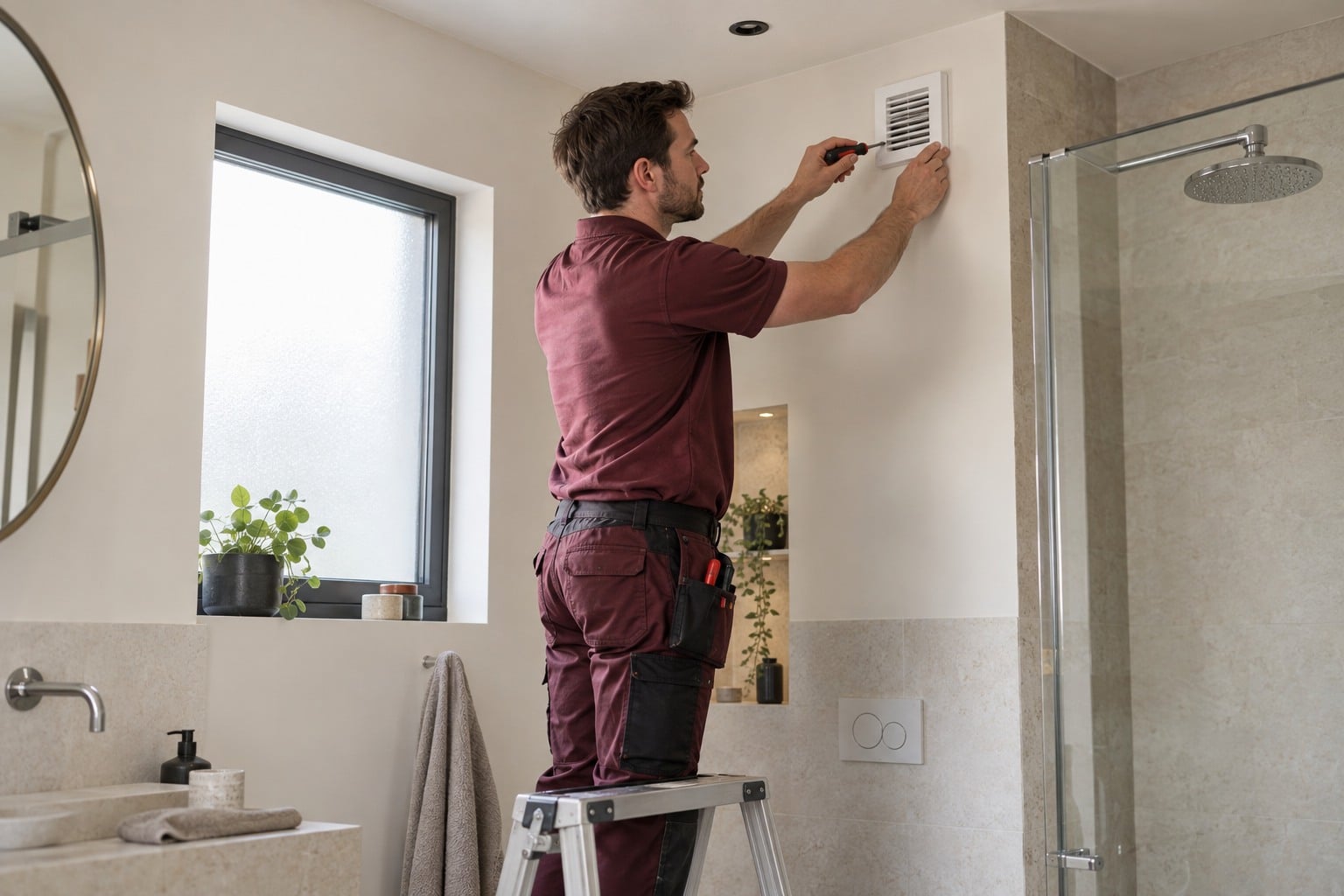
- What ventilation, heating or dehumidification is present?
Ask what the proposed approach will solve
Discuss which cause will be investigated and how the walls, floor and junctions will be assessed. Then ask how the result will be evaluated and what any new finish will require. Your intended use of the room belongs in that conversation: storing belongings is a different requirement from planning a finished hobby room.