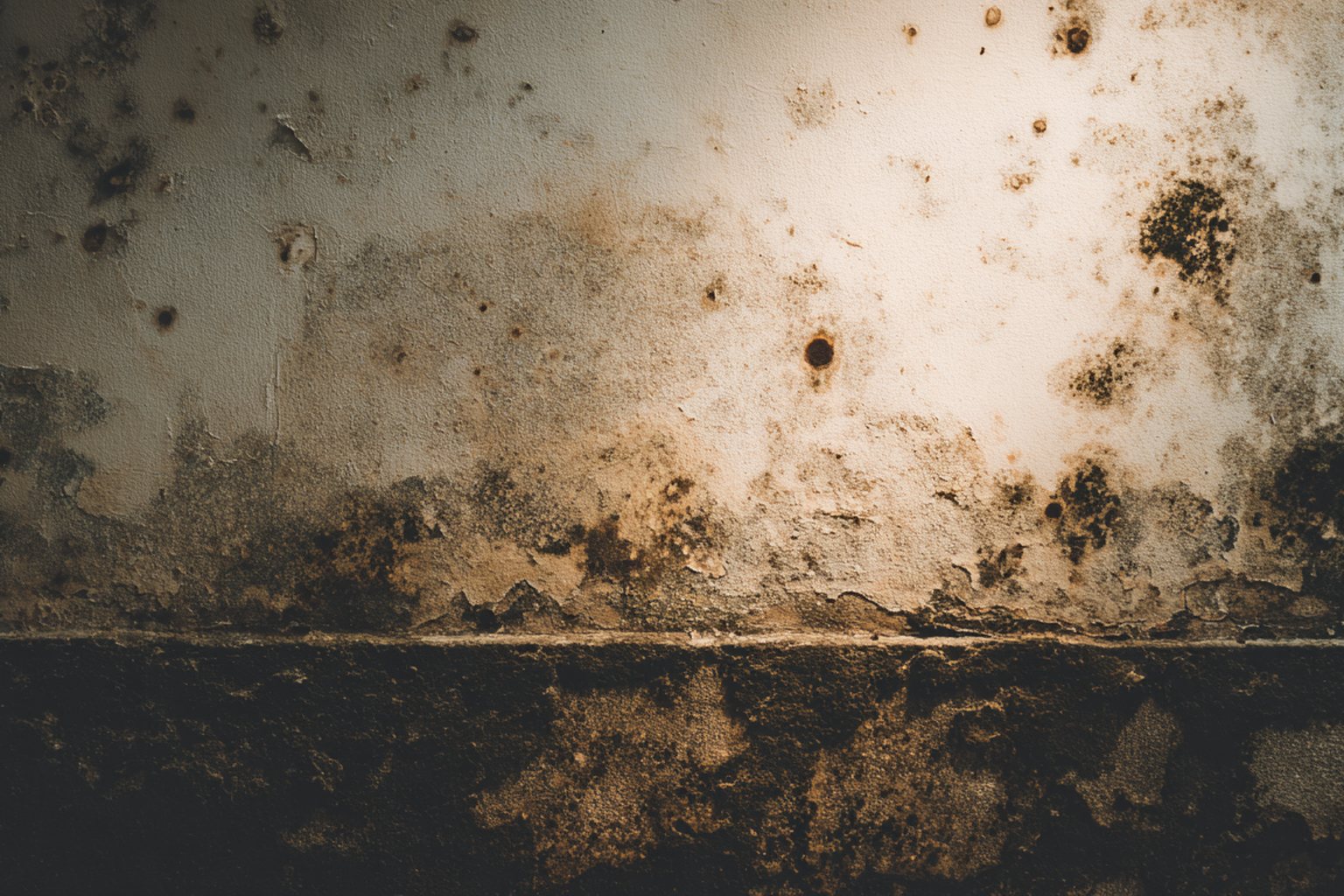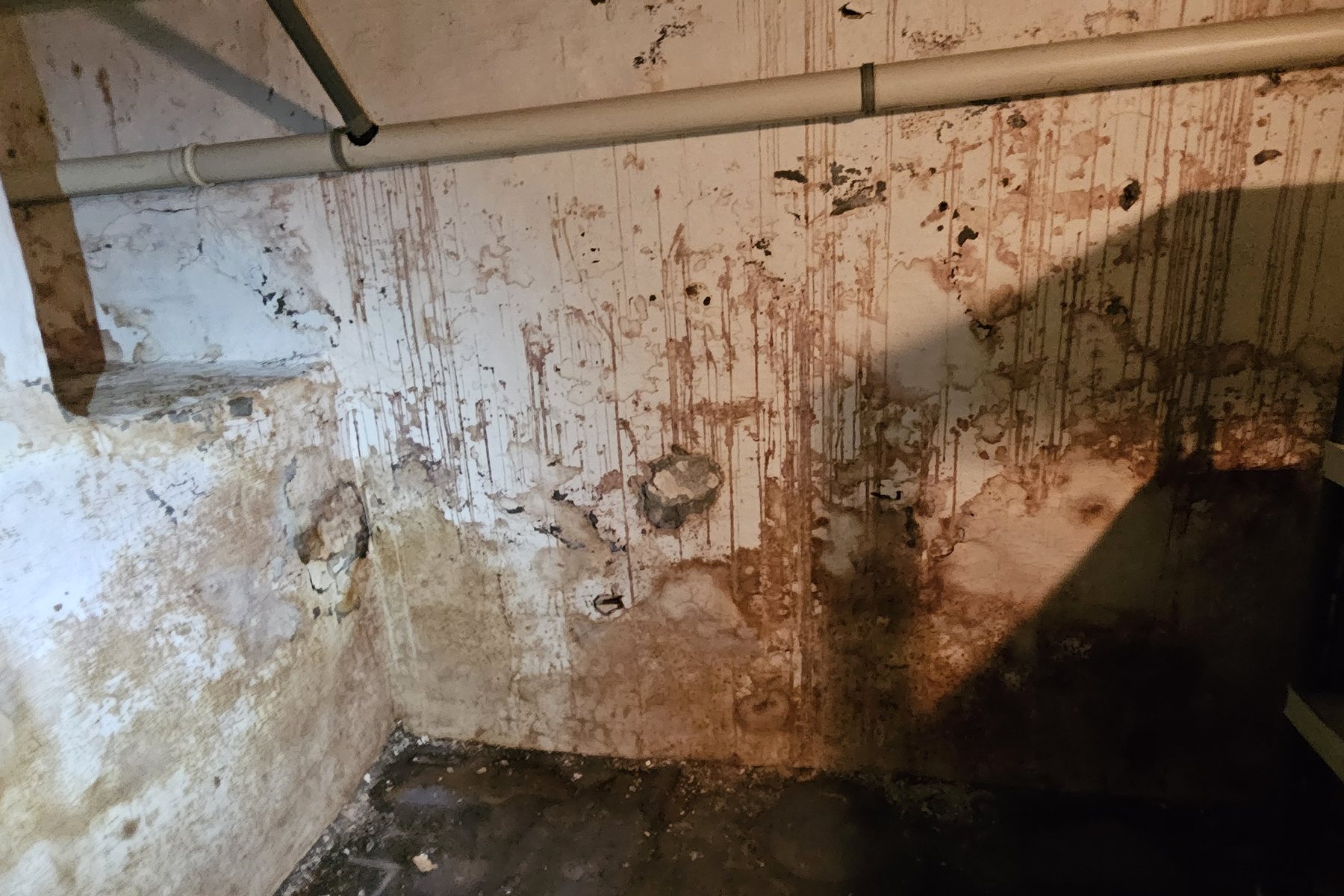
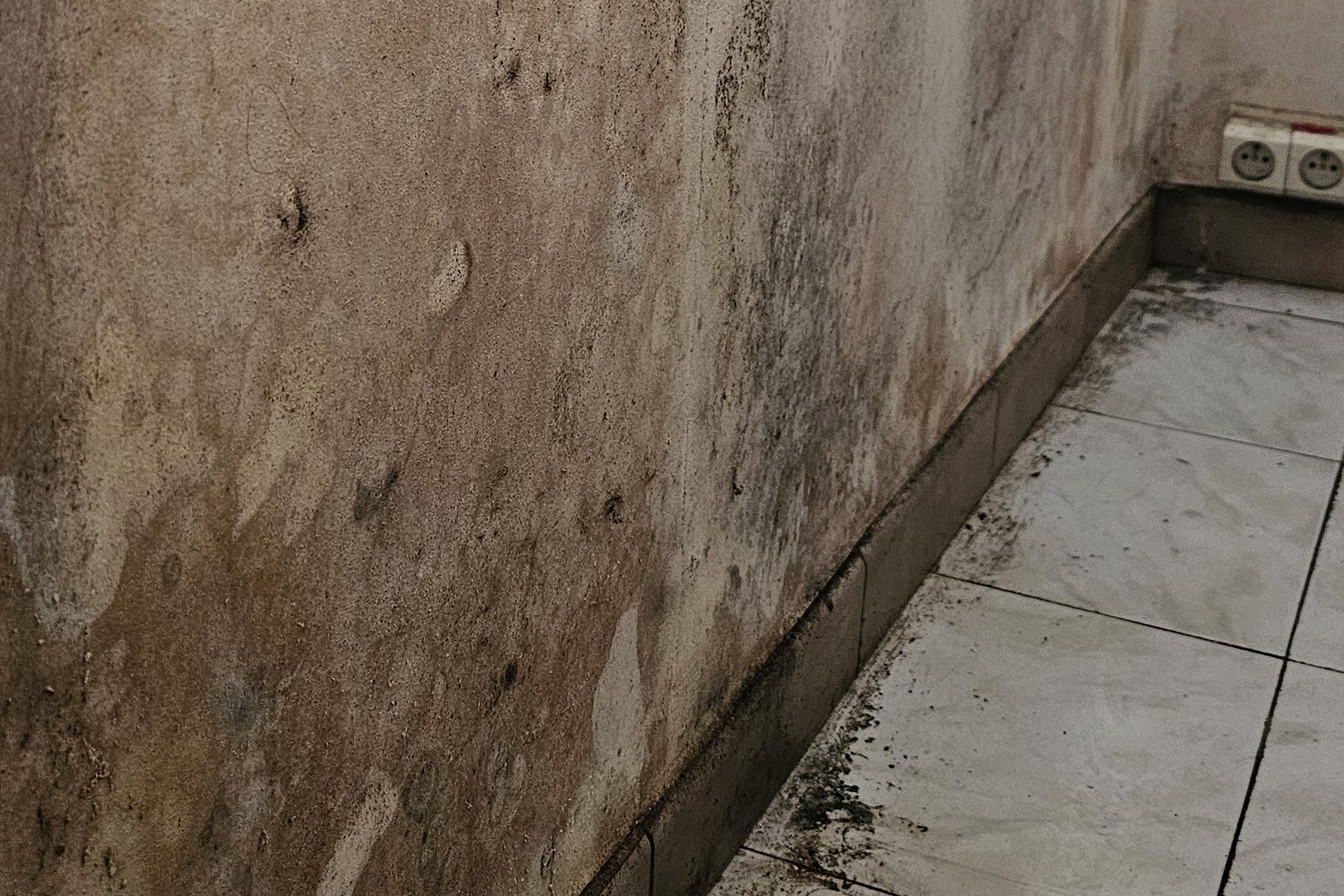
A damp patch is a clue, not a complete diagnosis. The location, progression and conditions in which you notice the damage help you start a useful conversation about your wall.
Look at the pattern
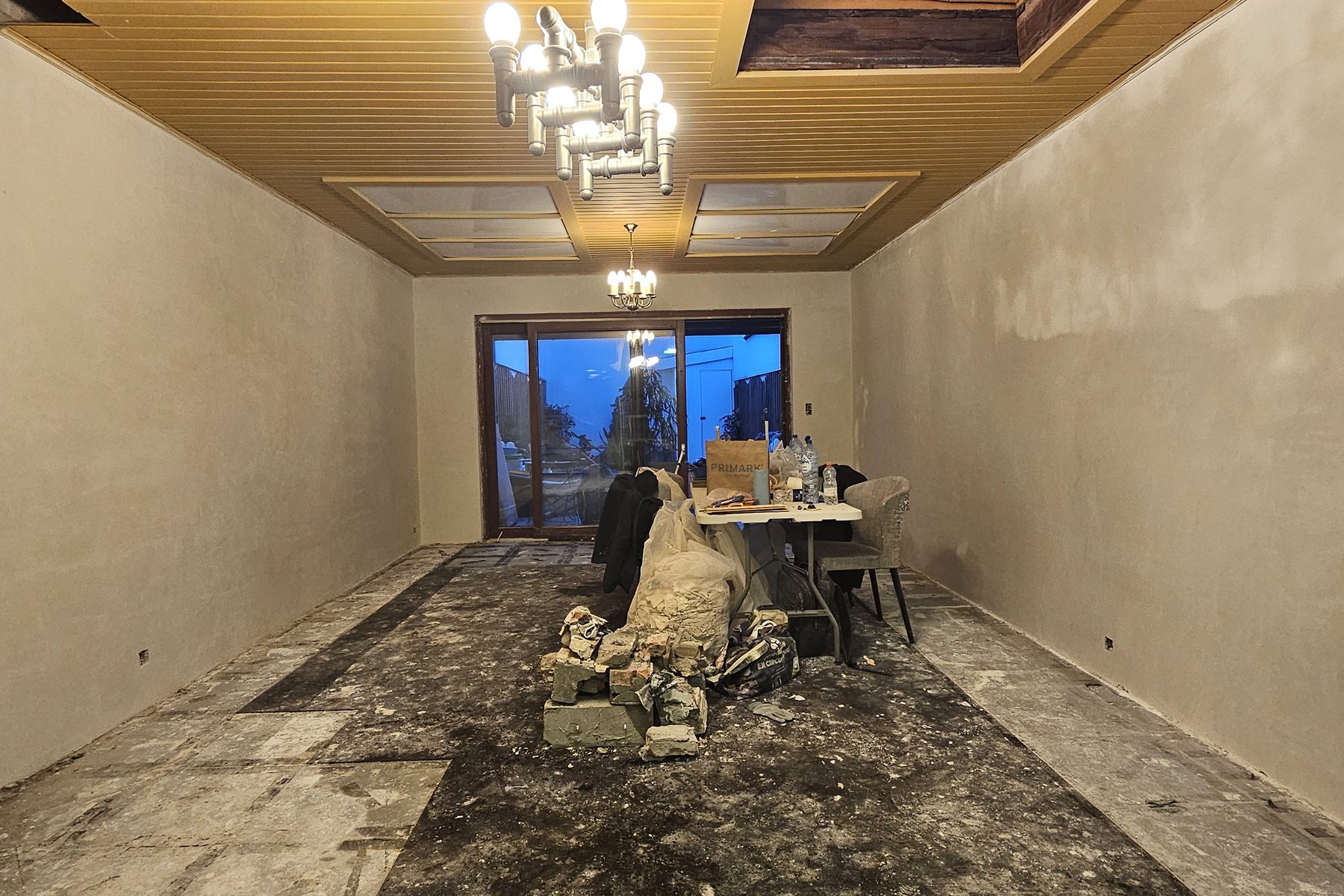
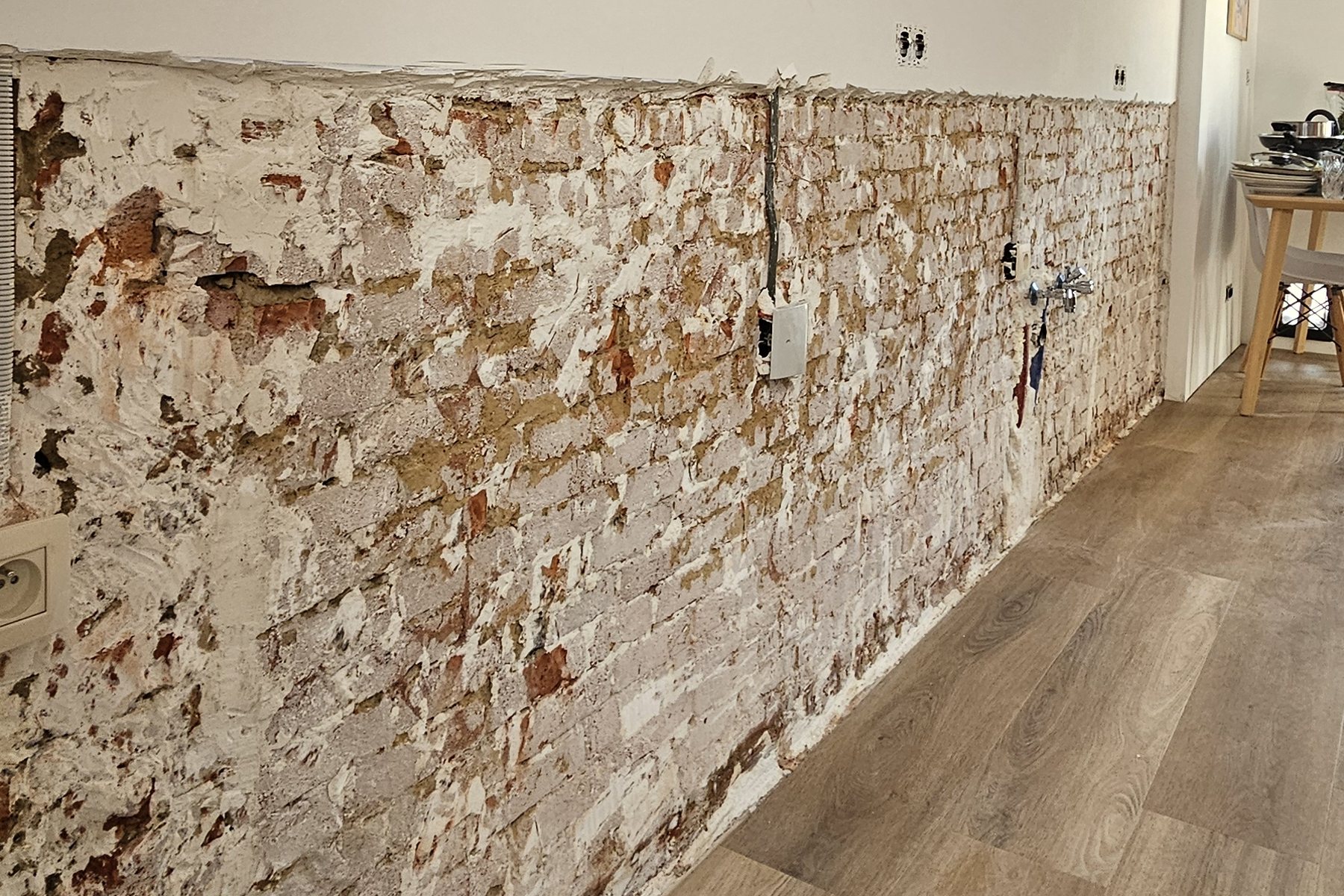
Start with an overview of the room. Is the damage only near the skirting, in a corner or higher up the wall too? Is the same edge visible on the other side of the wall? Also note when you first noticed the patch and what finish is present.
- Photograph the whole wall and a detail of the damage.
- Note whether the patch changes after rain or remains constantly visible.
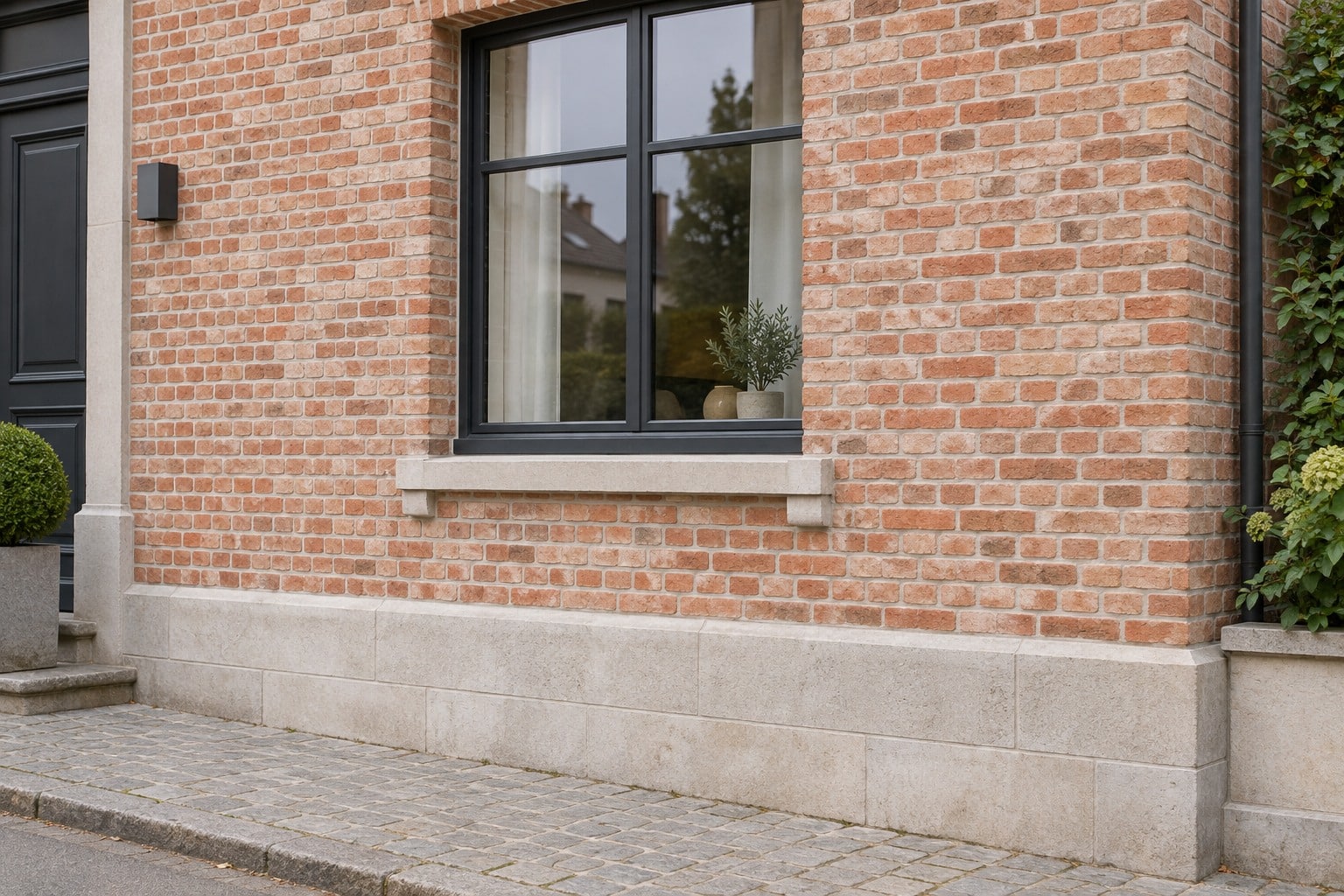
- Mention recent renovations, a leak or a change in outside ground level.
Not every damp patch has the same cause
Damp can relate to water ingress, condensation, rising damp or salts. Buildwise therefore stresses that the approach starts with identifying the source and planning both treatment and finishing. A fresh coat of paint alone tells you nothing about that source. Buildwise: damp problems in walls and basements.
Keep your questions for the assessment
Ask which cause will be investigated, which measurements are involved and exactly what the proposed work will solve. Also discuss which damaged finishes need removal and how subsequent work will be scheduled. This lets you compare proposals on their substance rather than just the final price.