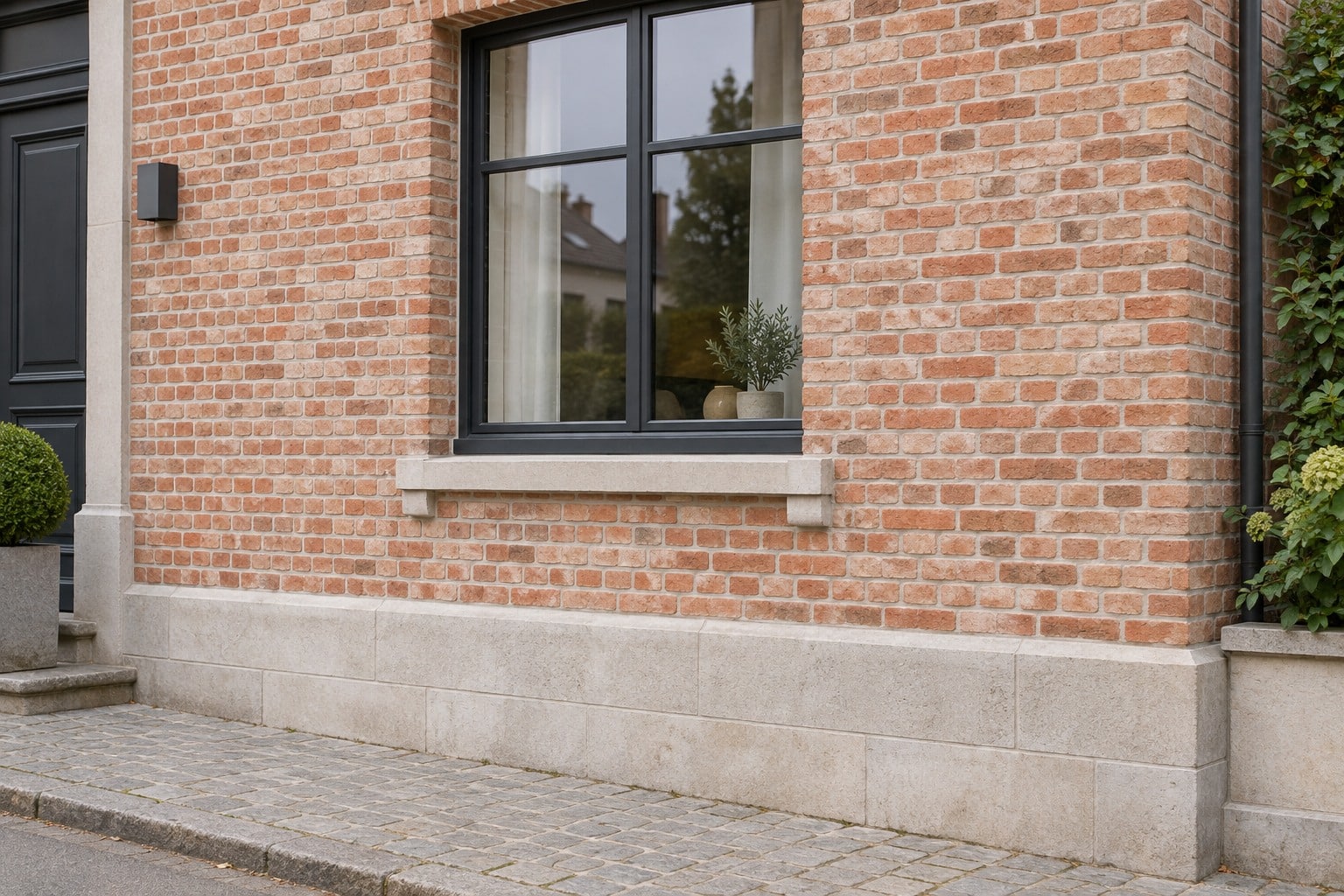
A water-repellent treatment sounds like a simple protective layer, but the facade and the identified problem determine whether it is appropriate. The initial assessment therefore deserves as much attention as the application itself.
What is the purpose of the treatment?
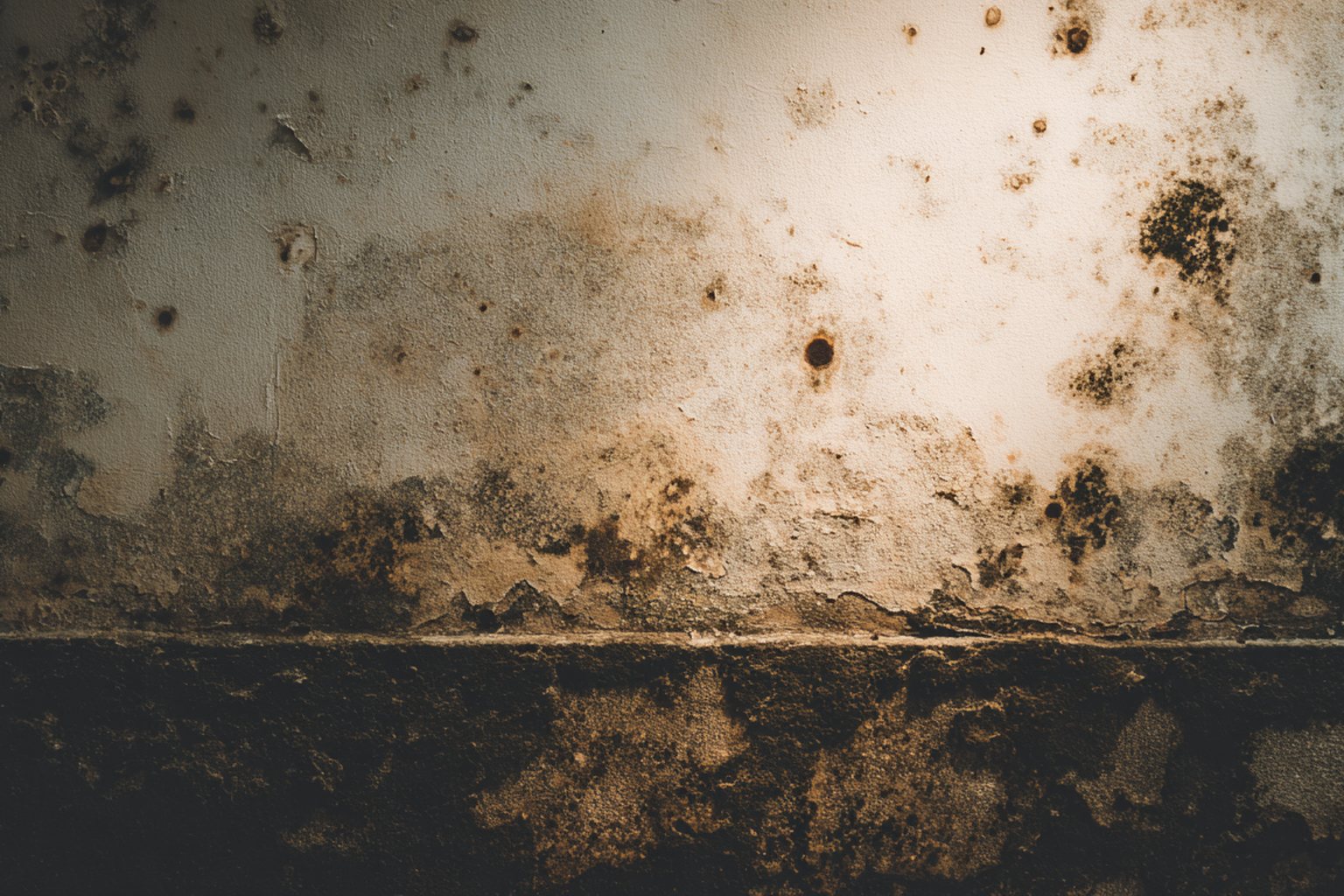
According to Buildwise, suitable water-repellent products can limit rainwater absorption by facade masonry while allowing water vapour to escape. This is not a recommendation to treat every facade: application can be harmful where the masonry contains large amounts of salts. Buildwise: effectiveness of water-repellent products on facade masonry.
Check the damage and materials
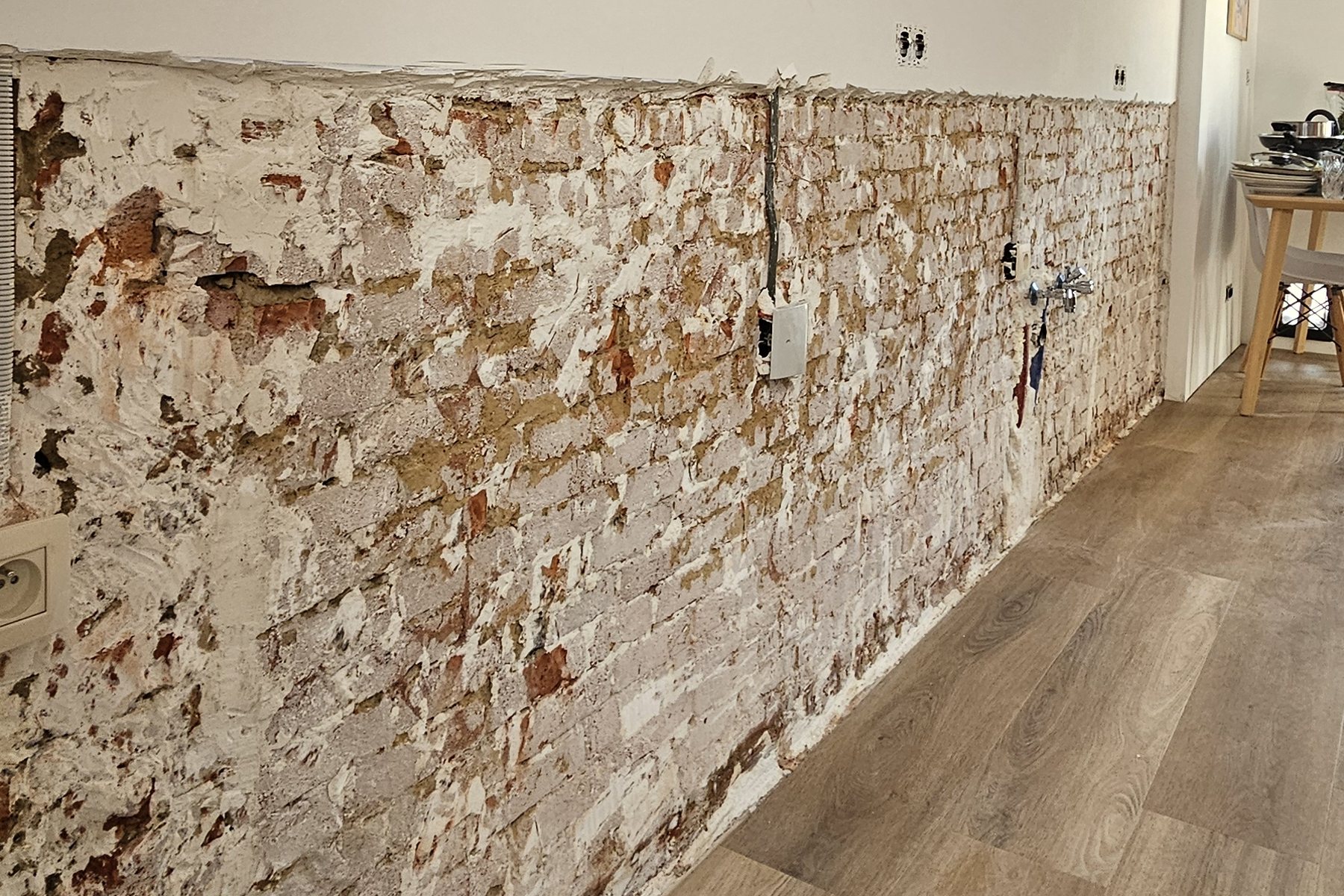
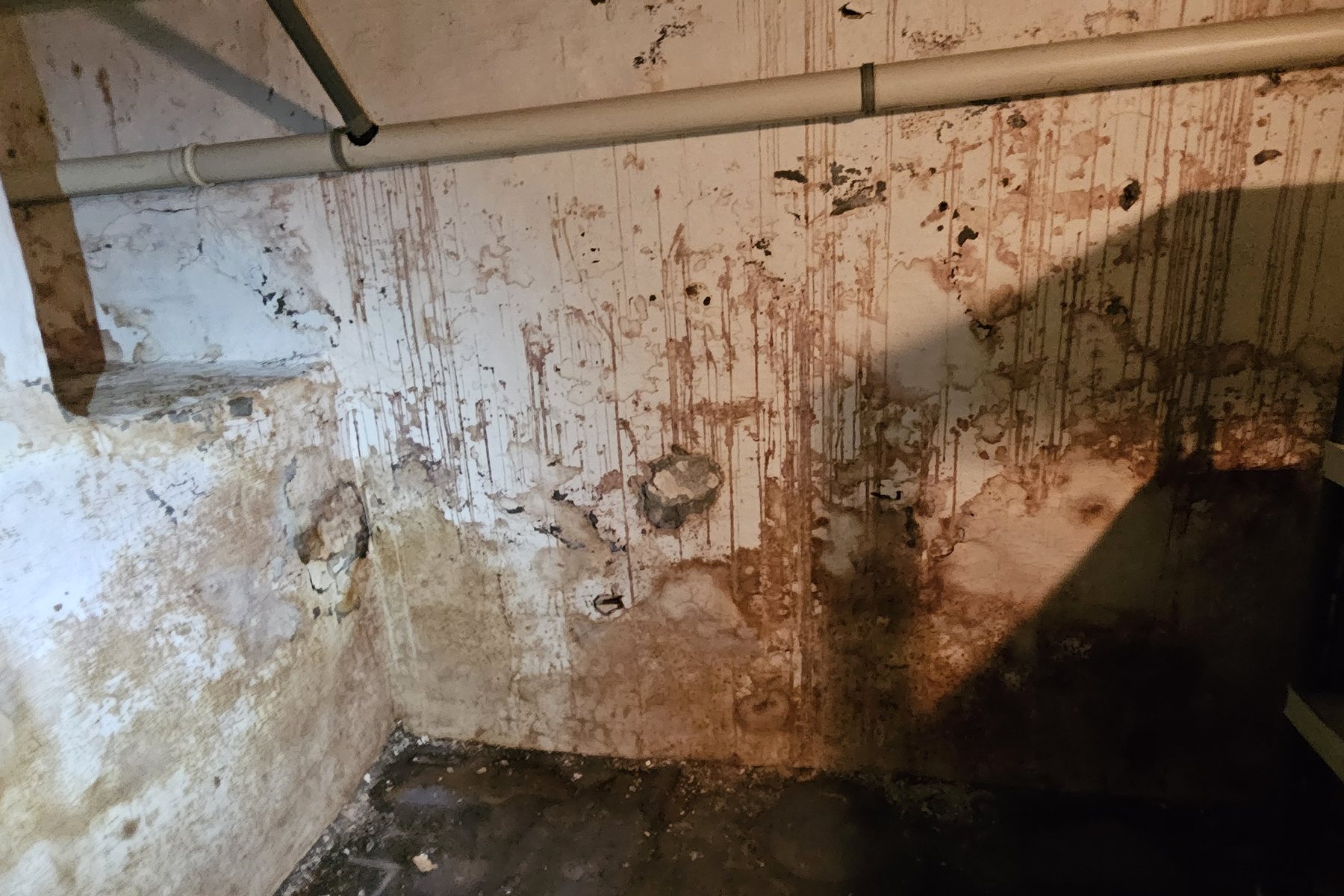
Homegrade stresses that a facade in poor condition or with cracks should not simply receive a water-repellent treatment. The material matters too. Ask what condition has been identified, which repairs are needed first and how the suitability of the surface will be assessed. Homegrade: does my facade need a water-repellent treatment?.
Use the quote as a discussion guide
Have the facade area to be treated and the preparation included clearly described. Add photos of the different sides of your home so you discuss more than the most noticeable patch.
- Which moisture source has been investigated?
- Which joints, cracks or junctions need repair?
- Why is the proposed treatment suitable for this surface?
- How will the result be assessed and what maintenance will be discussed?