Sometimes you notice a smell before seeing a change on a wall. Describe what you observe without immediately deciding on one cause. This makes a focused investigation easier.
Note where and when you notice it
Start with the room where the smell is strongest. Do you notice it on entering, when opening a cupboard or mainly at a certain time of day? Write this down several times rather than relying on memory alone.
Use neutral descriptions such as “mainly by the basement door” or “after a night with the windows closed.” This provides useful information without drawing a conclusion that has not been investigated.
Add visible observations
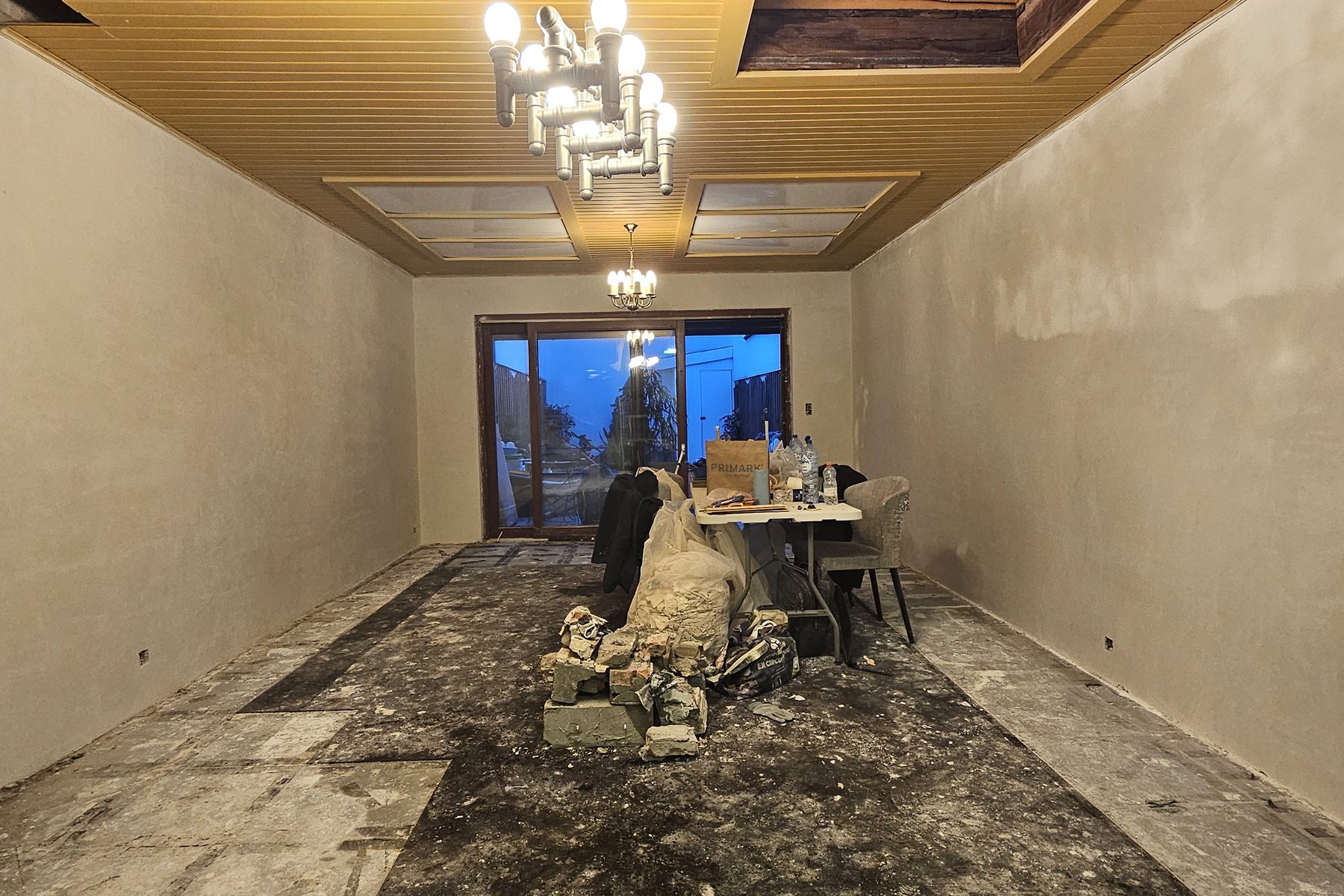
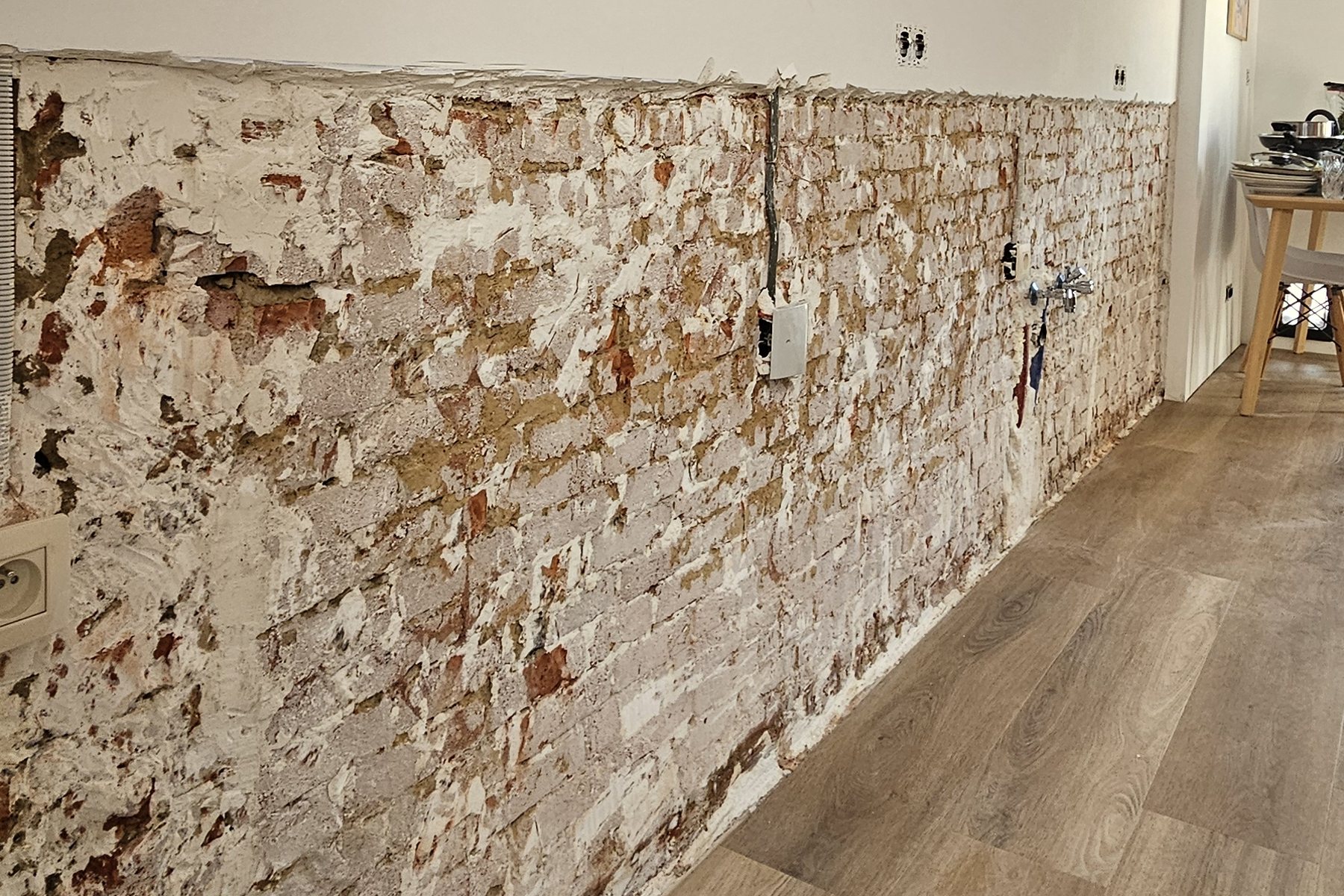
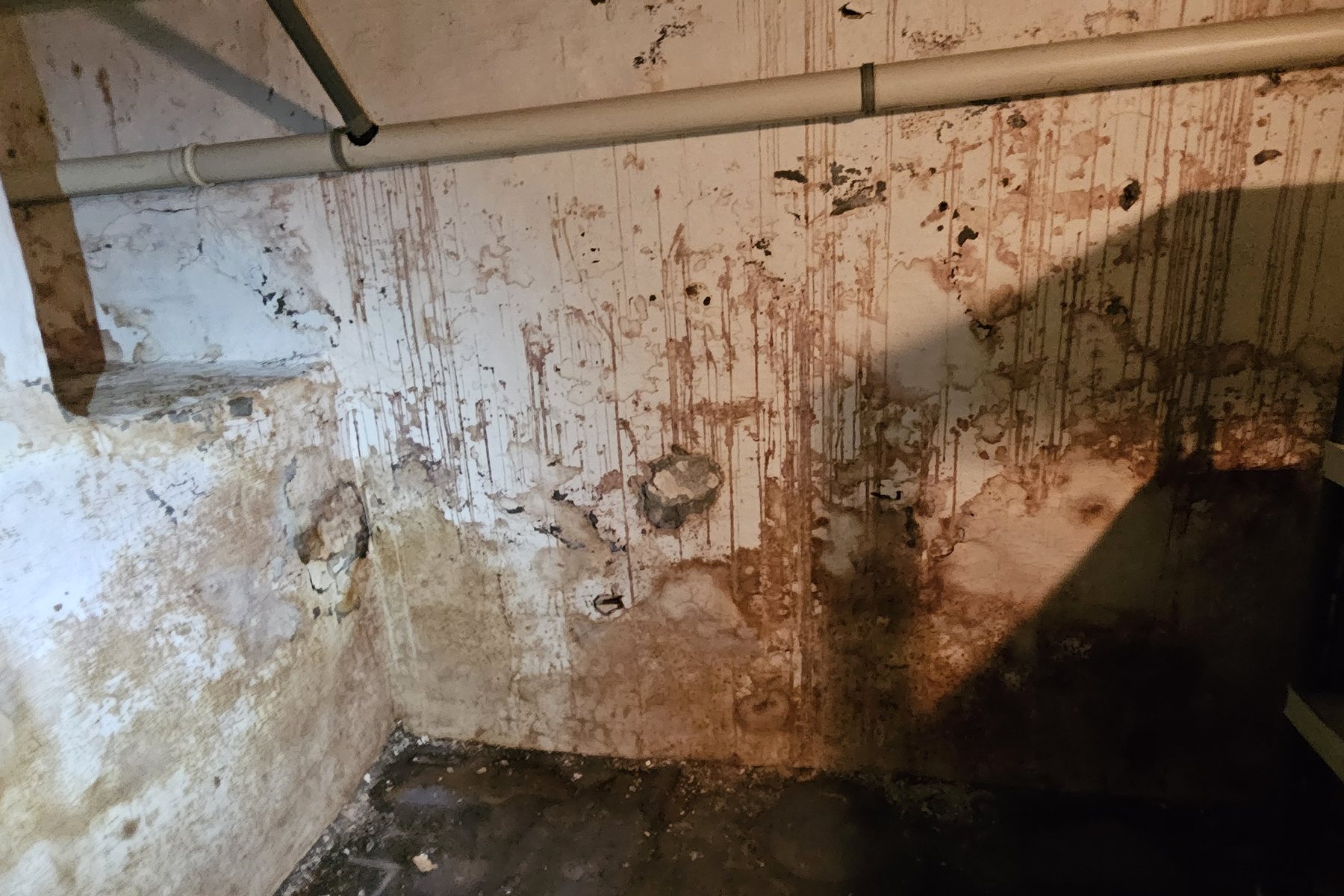
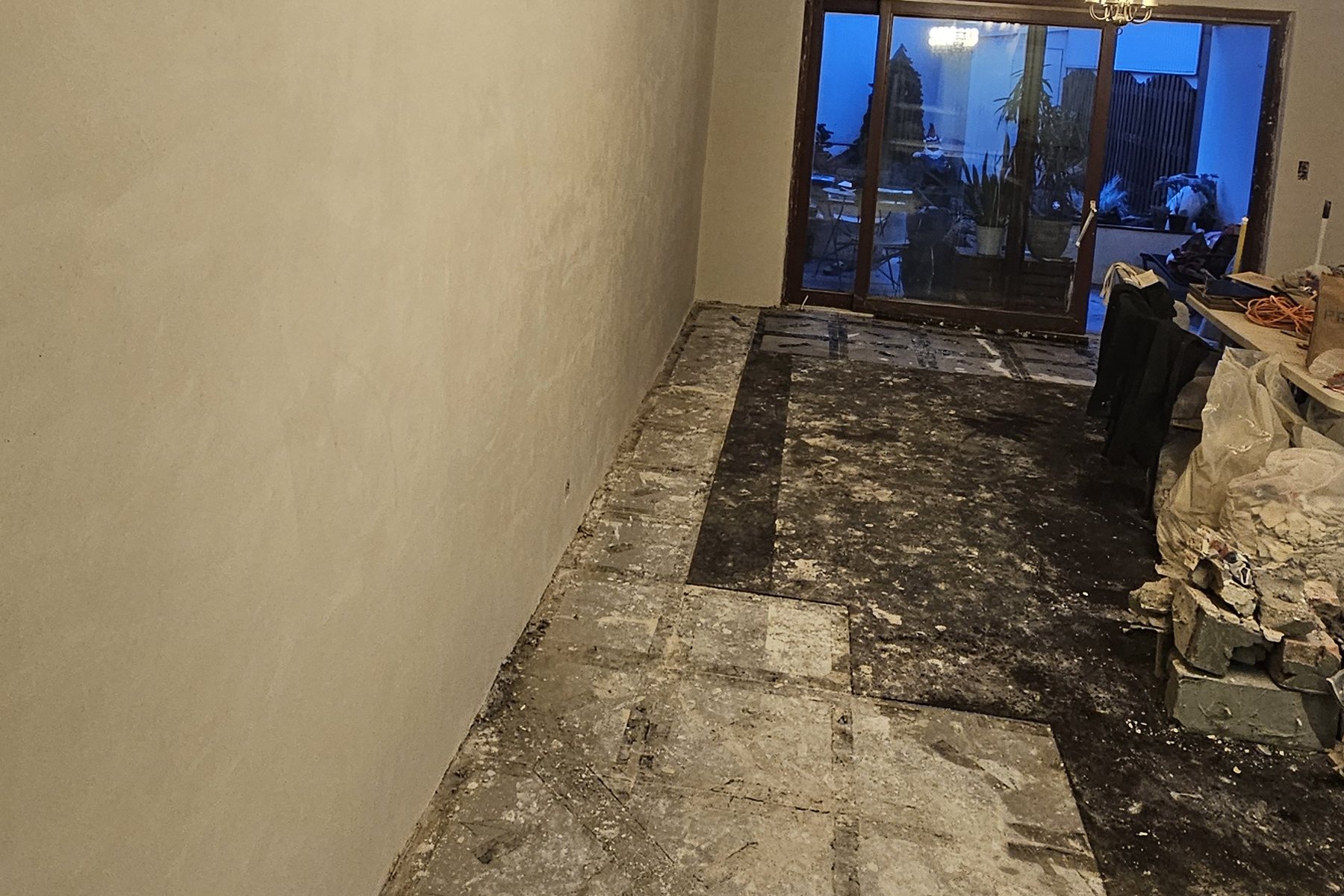
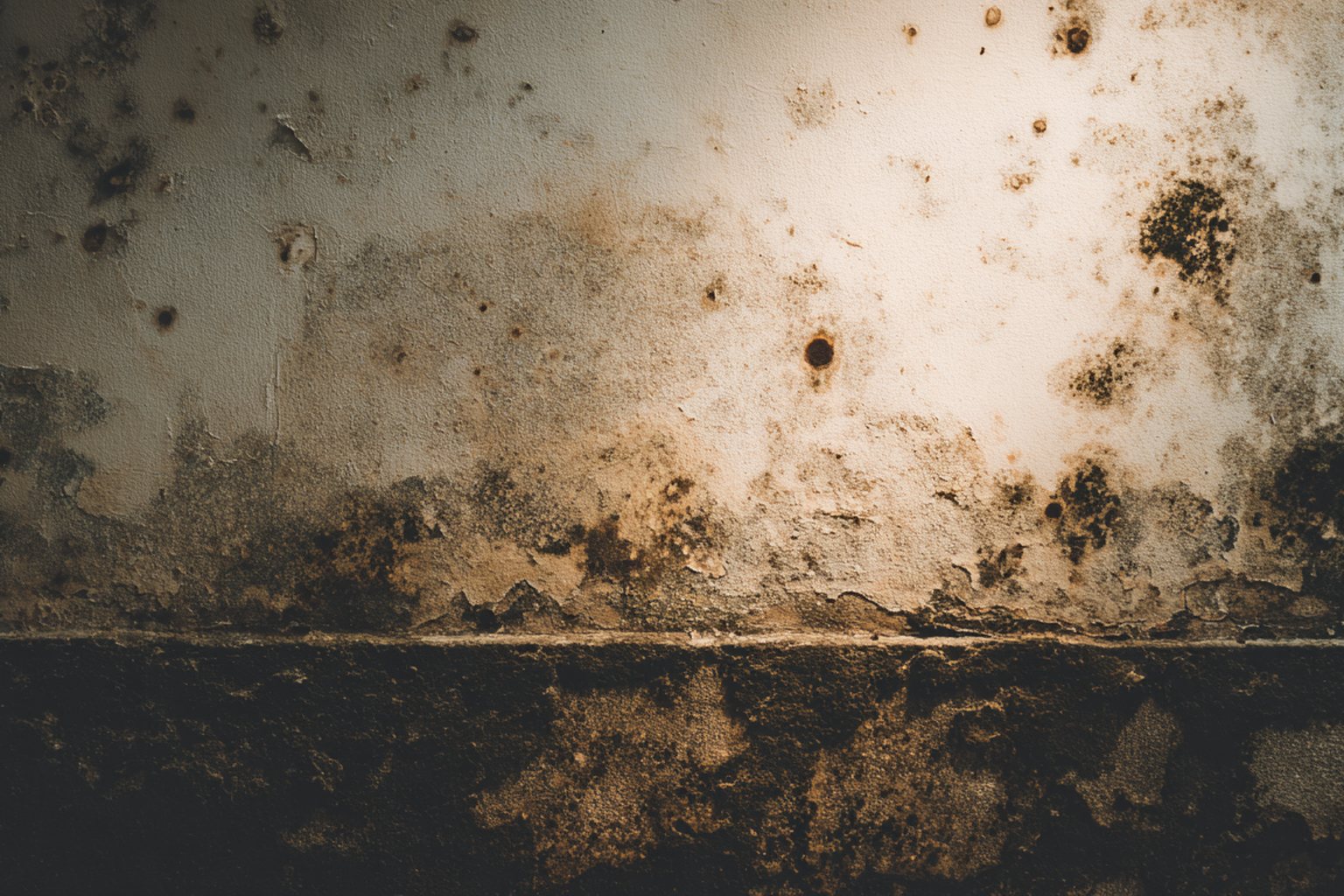
Check whether anything else has changed in the same place. Describe discolouration, loose wallpaper or condensation separately from the smell. A wider photo can help show the room layout and the location of the problem.
- Which rooms are affected?
- Are there visible patches or only a smell?
- Have furniture, flooring or windows recently been replaced?
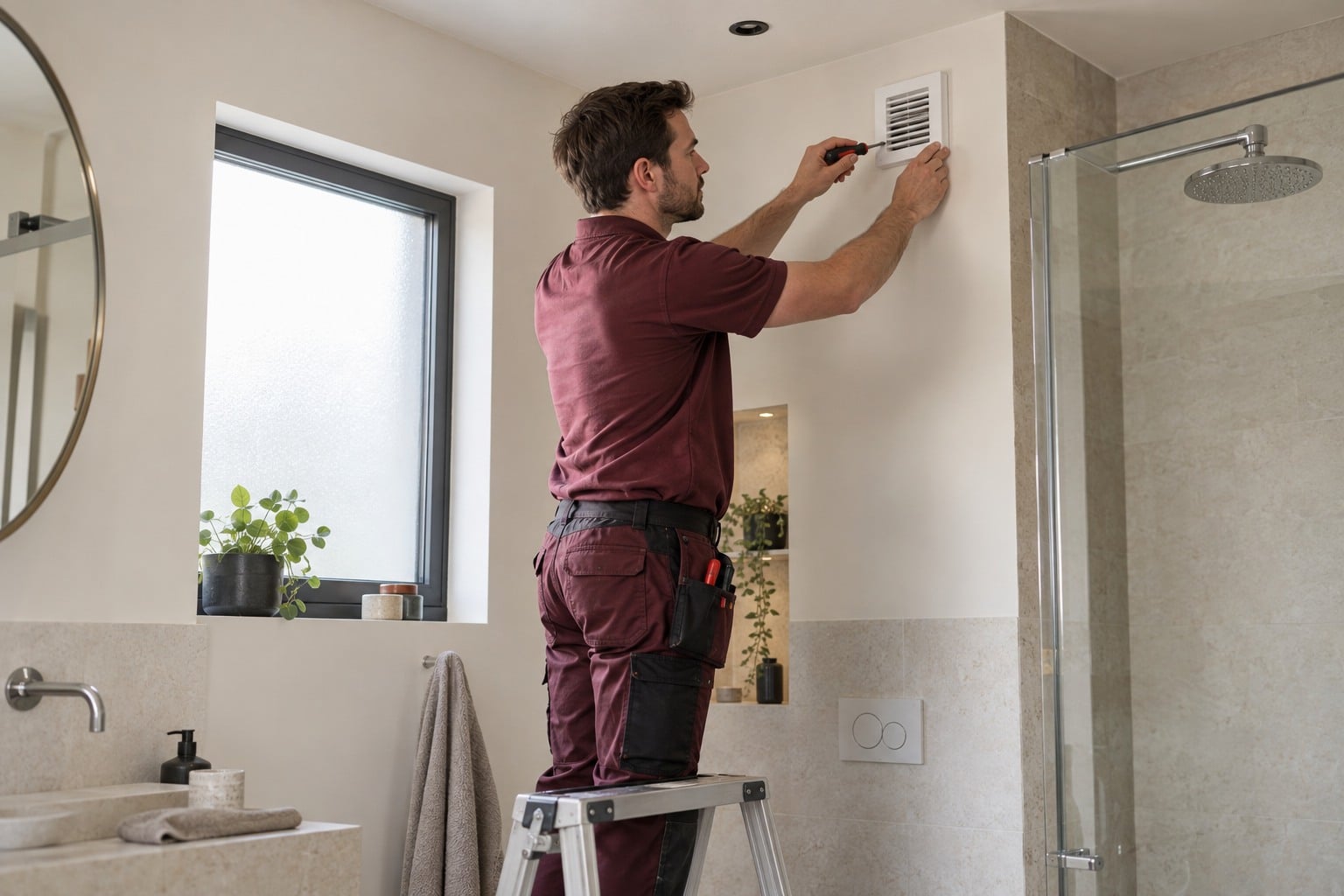
- What ventilation provisions are present?
Discuss the full picture
Vlaanderen.be explains that ventilation helps remove moisture and unpleasant smells. This does not mean that every smell automatically proves there is a ventilation problem. Read more about airing and ventilation.
Bring your observations to an assessment. On the contact page you can describe the situation and identify the rooms you want inspected.