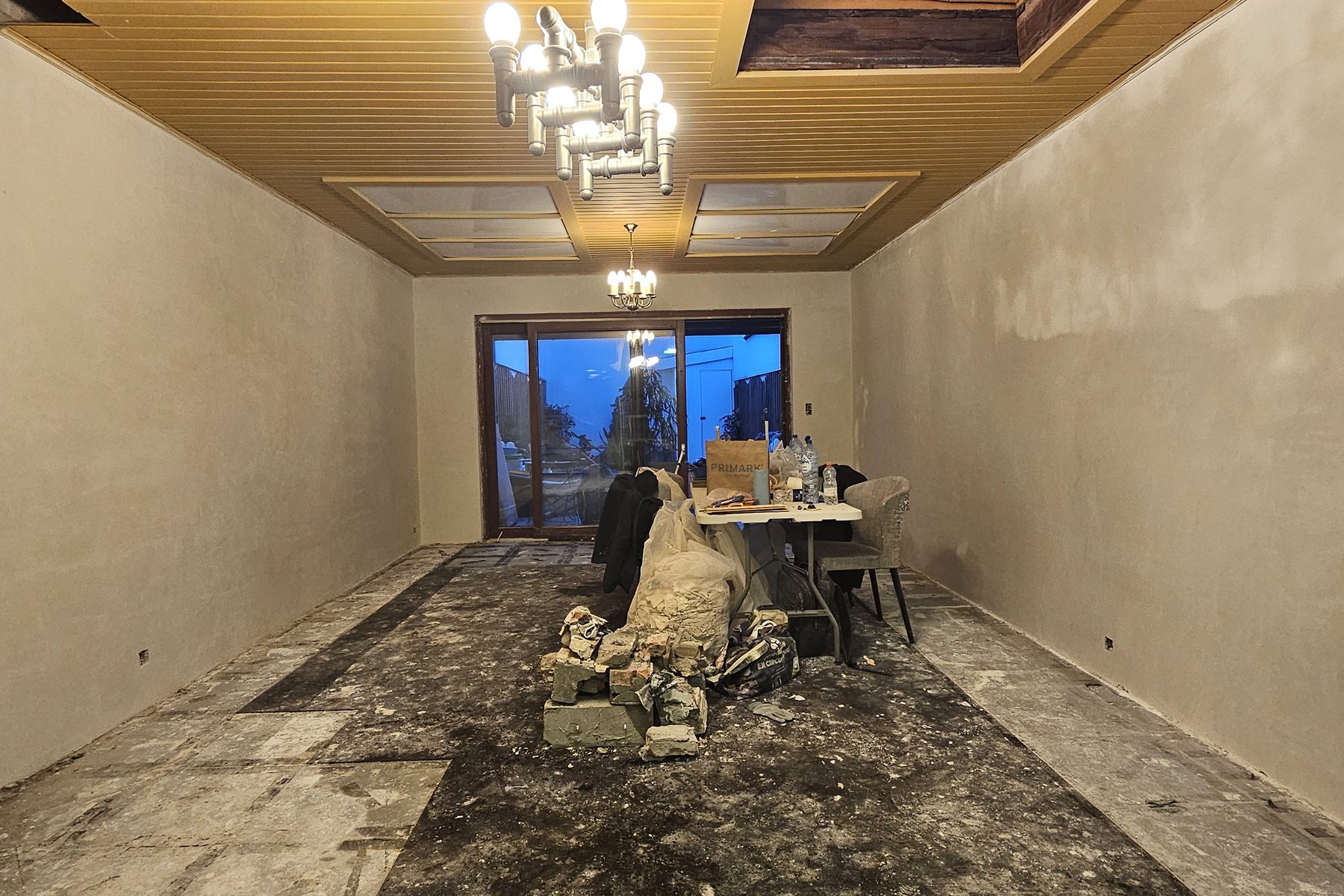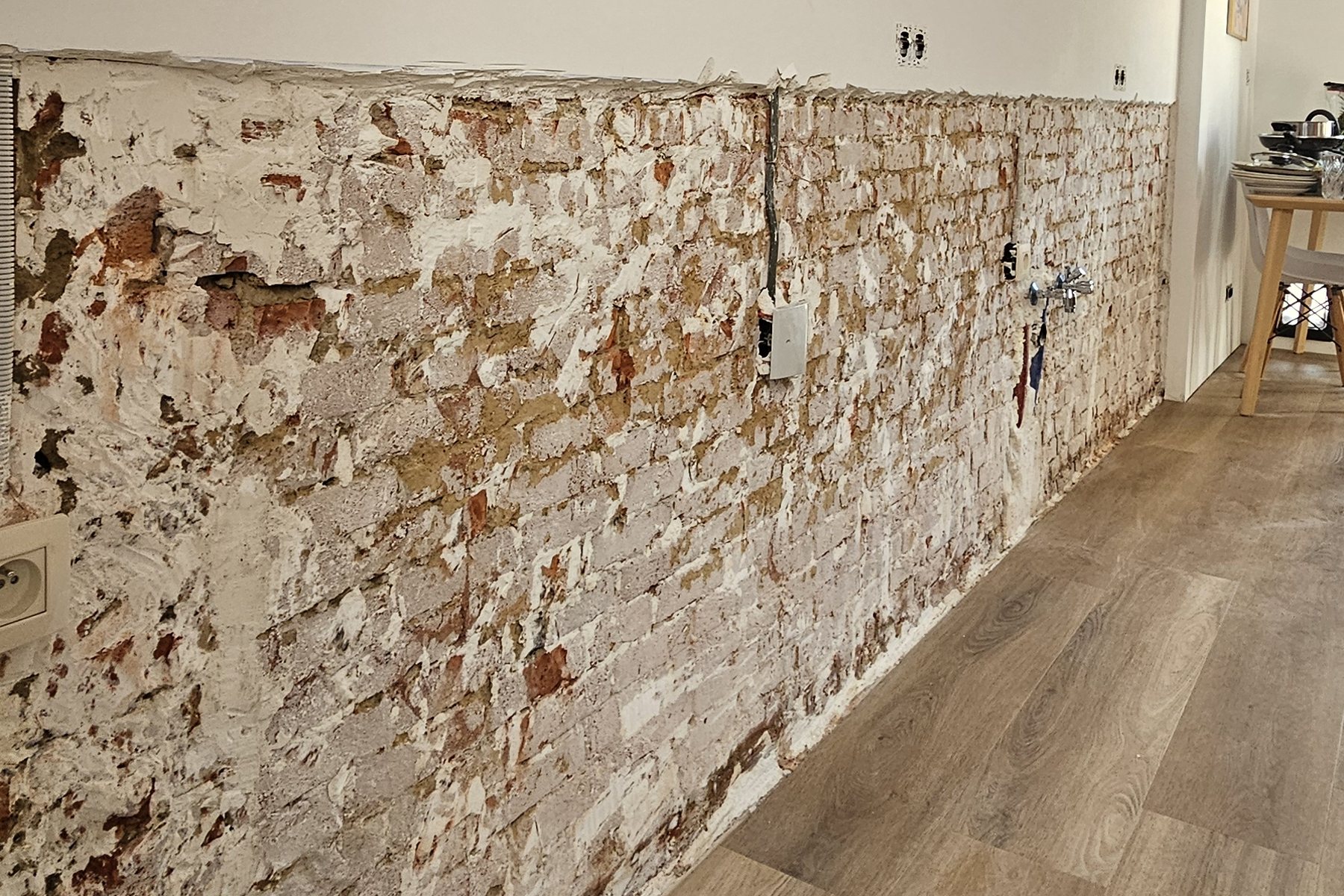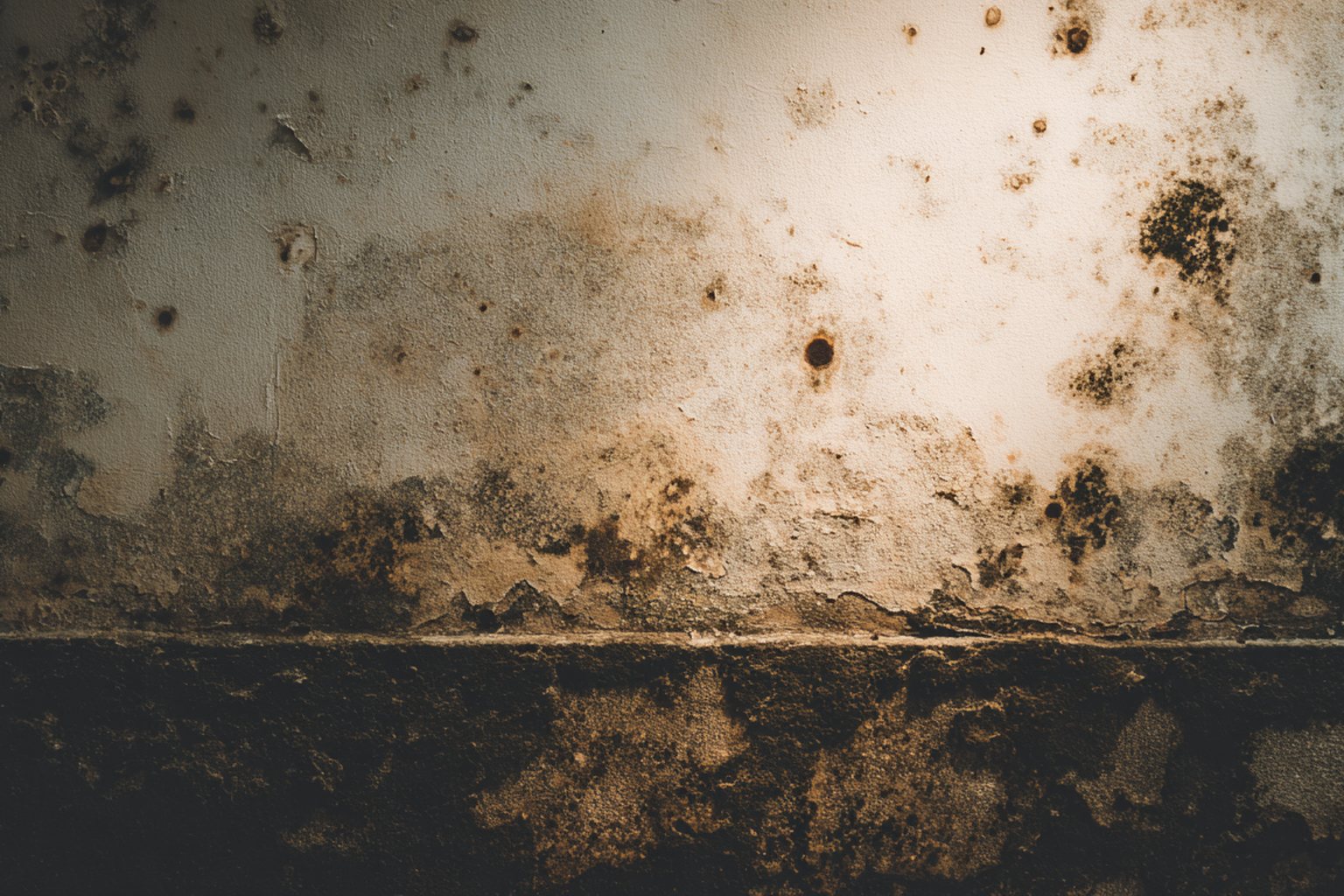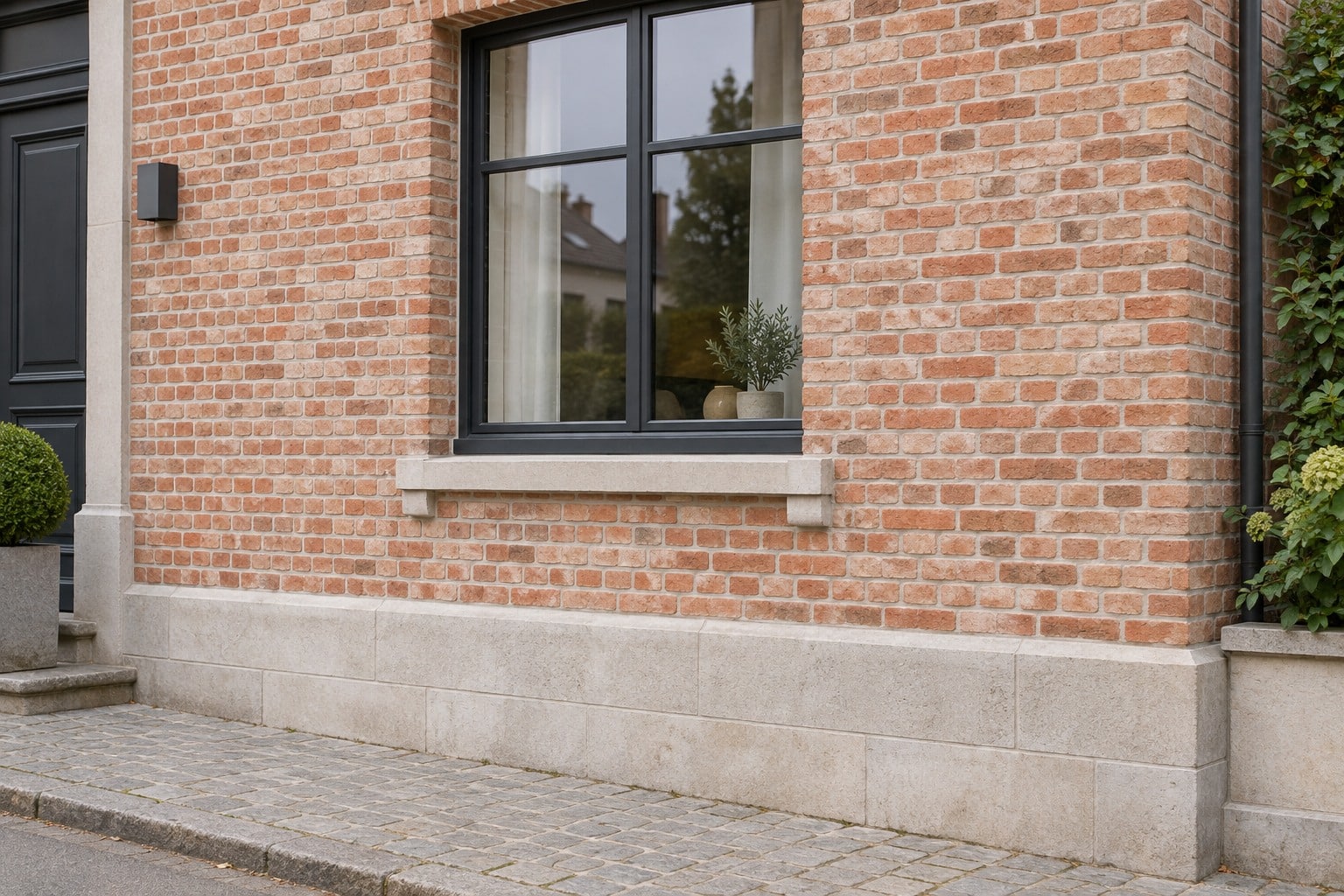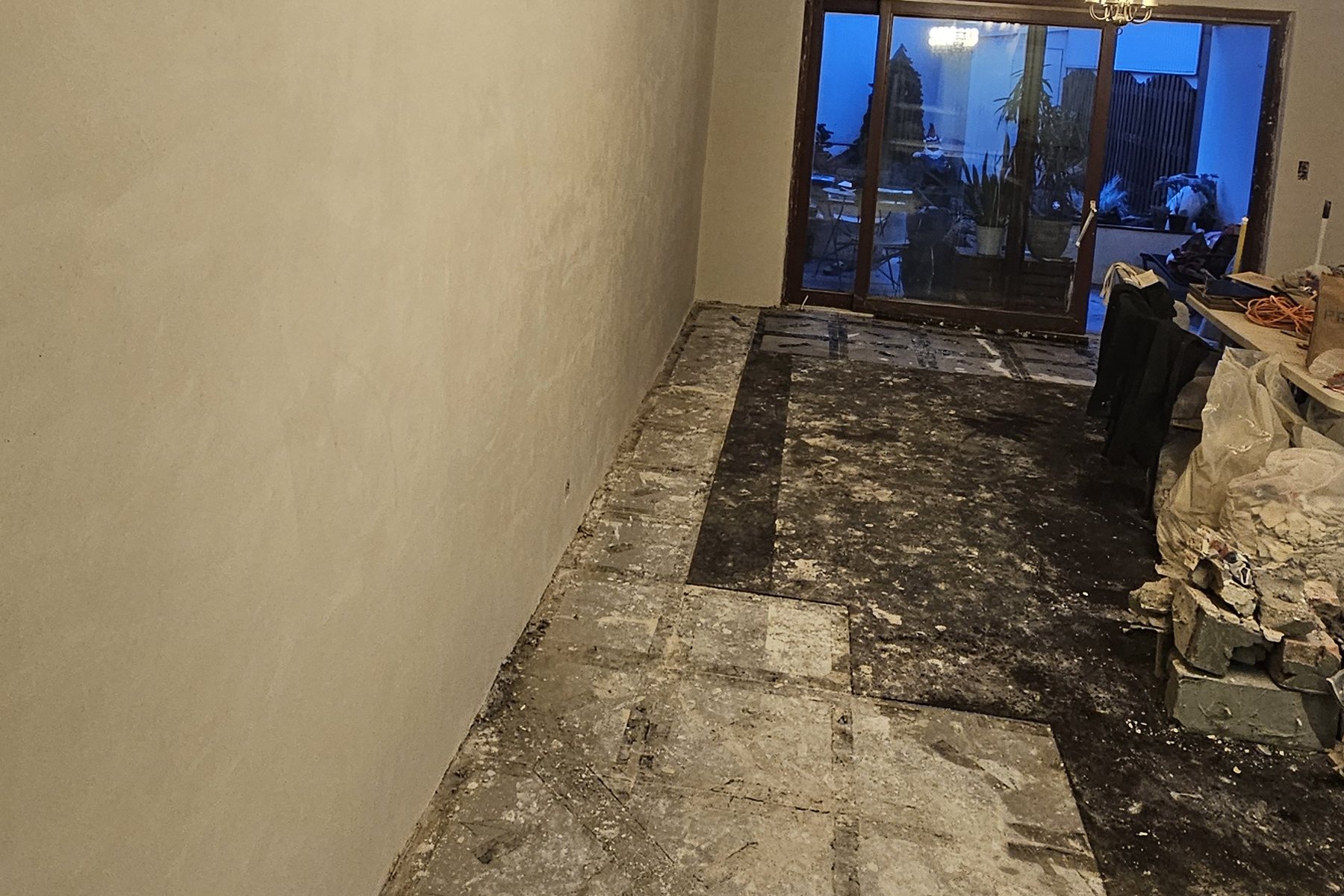
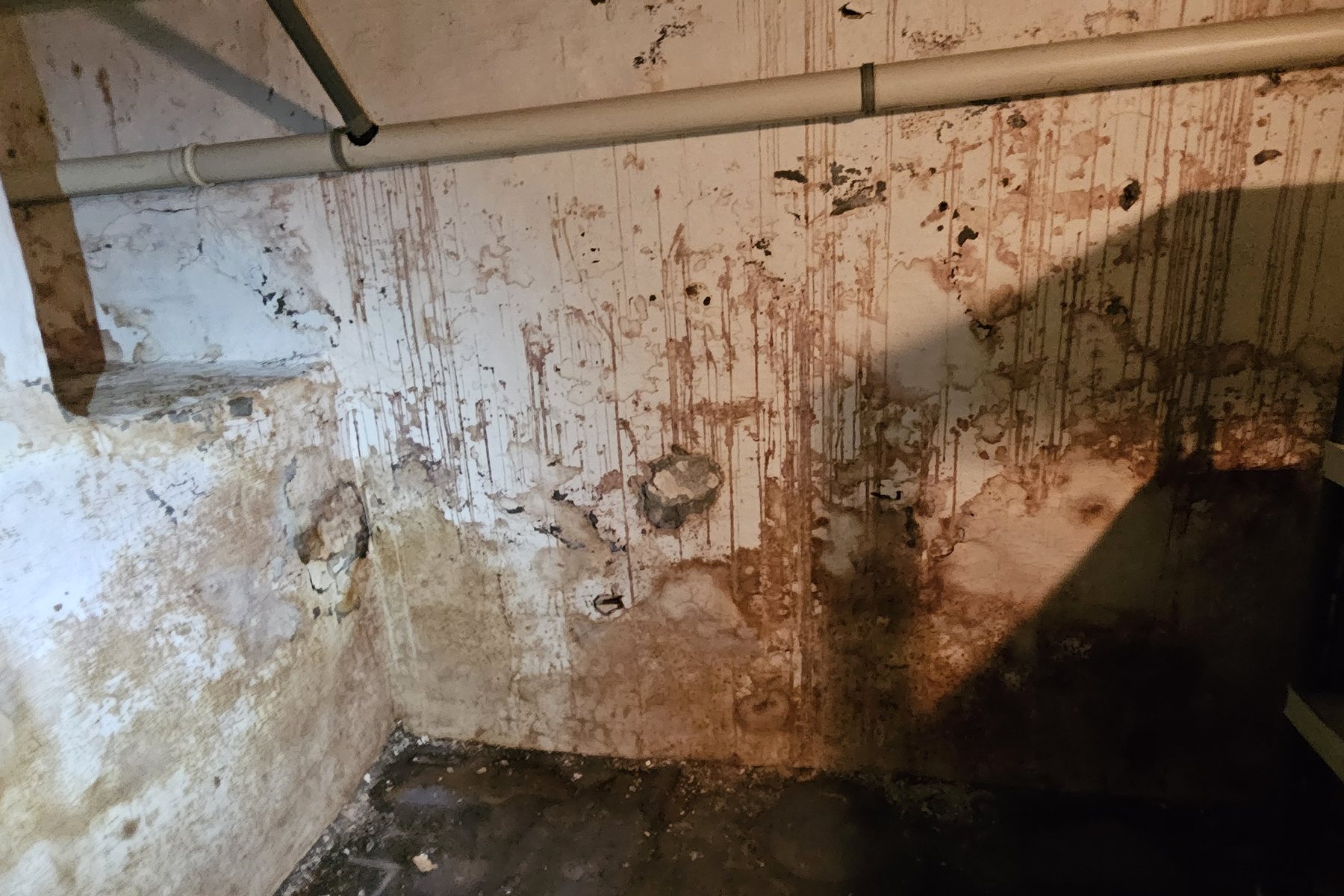
Boxes, shelving and seasonal belongings can obscure a basement wall. To track changes, start with a clear overview of the space and the areas where you notice something.
Look at the whole space
First take a photo of every wall and the floor. Identify fixed reference points such as the stairs, a pipe or a window. This helps you later locate any wet patch, discolouration or loose material.
Record which areas were not visible too. This helps prepare an assessment without suggesting that the whole basement has already been checked. Agree in advance what access the investigation will need.
Distinguish observations from conclusions
Buildwise discusses basement damp as an issue involving various possible causes and construction details. The type of space and the arrangement of its walls and floor form part of that context. View the overview of damp in walls and basements.
- Is there visible water, a dark patch or mainly a smell?
- When was it first noticed?
- Is one corner affected or several walls?
- What changed after a period of rain or a previous repair?
Prepare for a focused basement assessment
Keep older photos and documents about any work. Ask which on-site findings are needed, how the proposed solution relates to them and which parts of the basement are included.
Read more about basement waterproofing. A description of your space is a better starting point than choosing a technique based on a general photo.