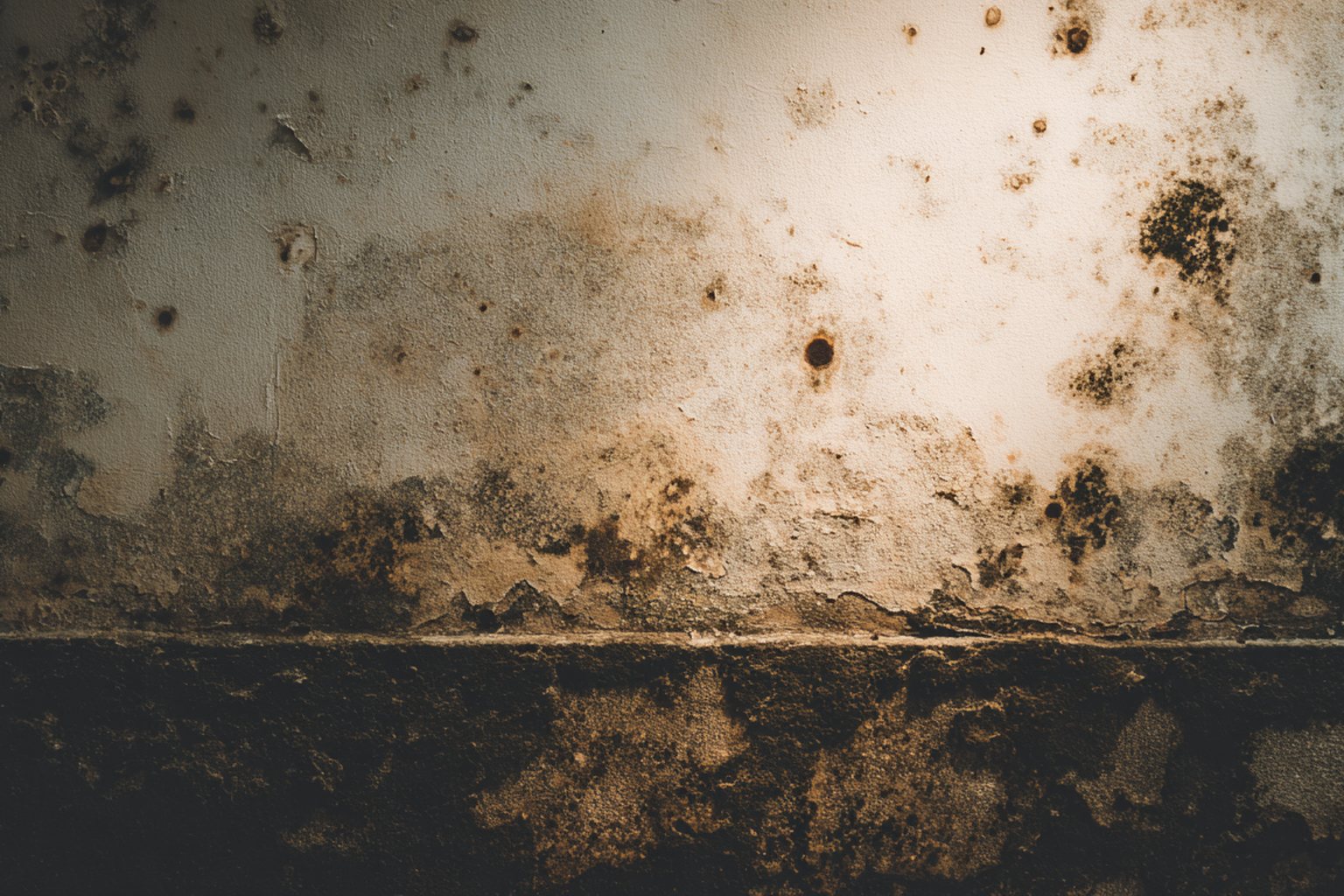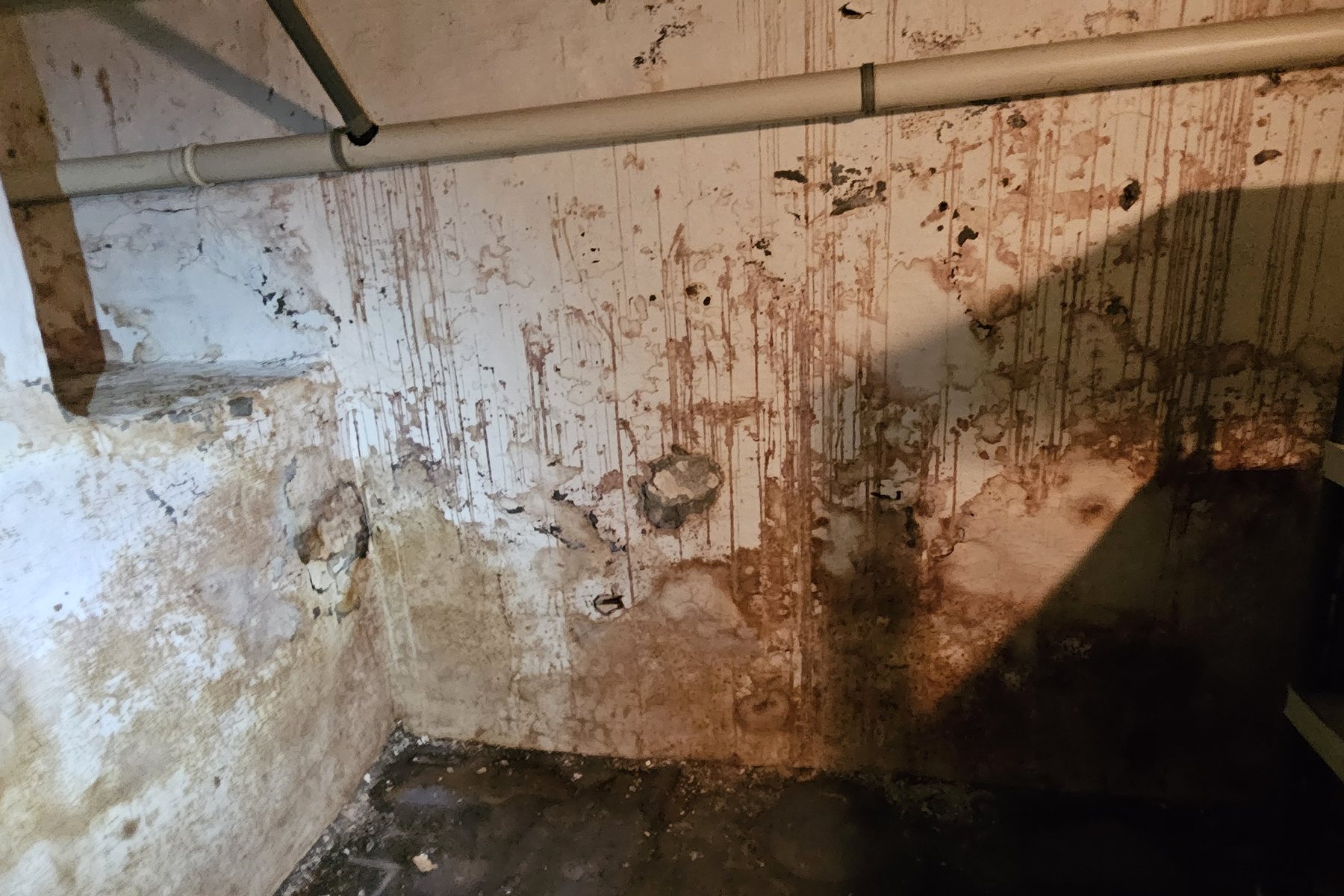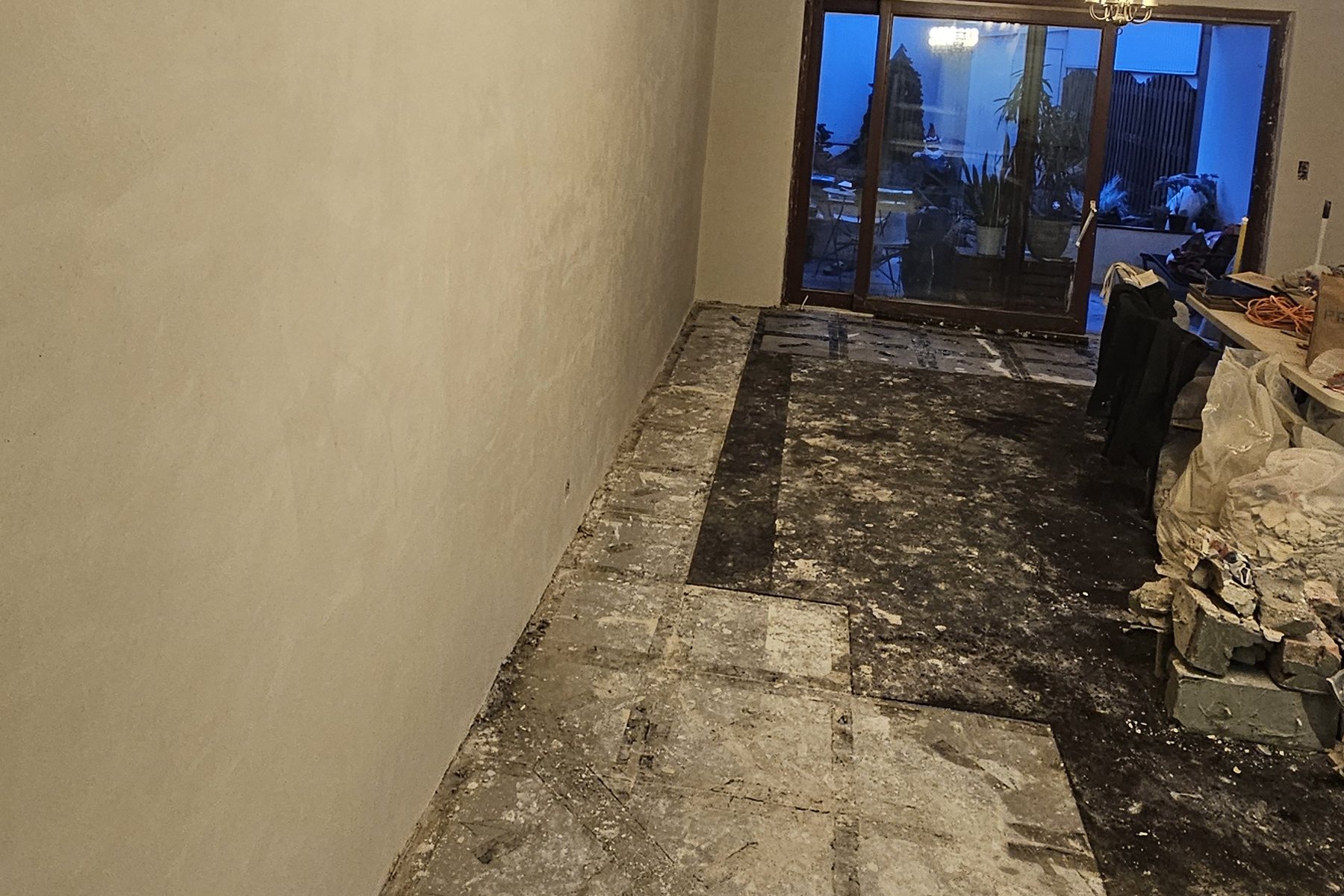
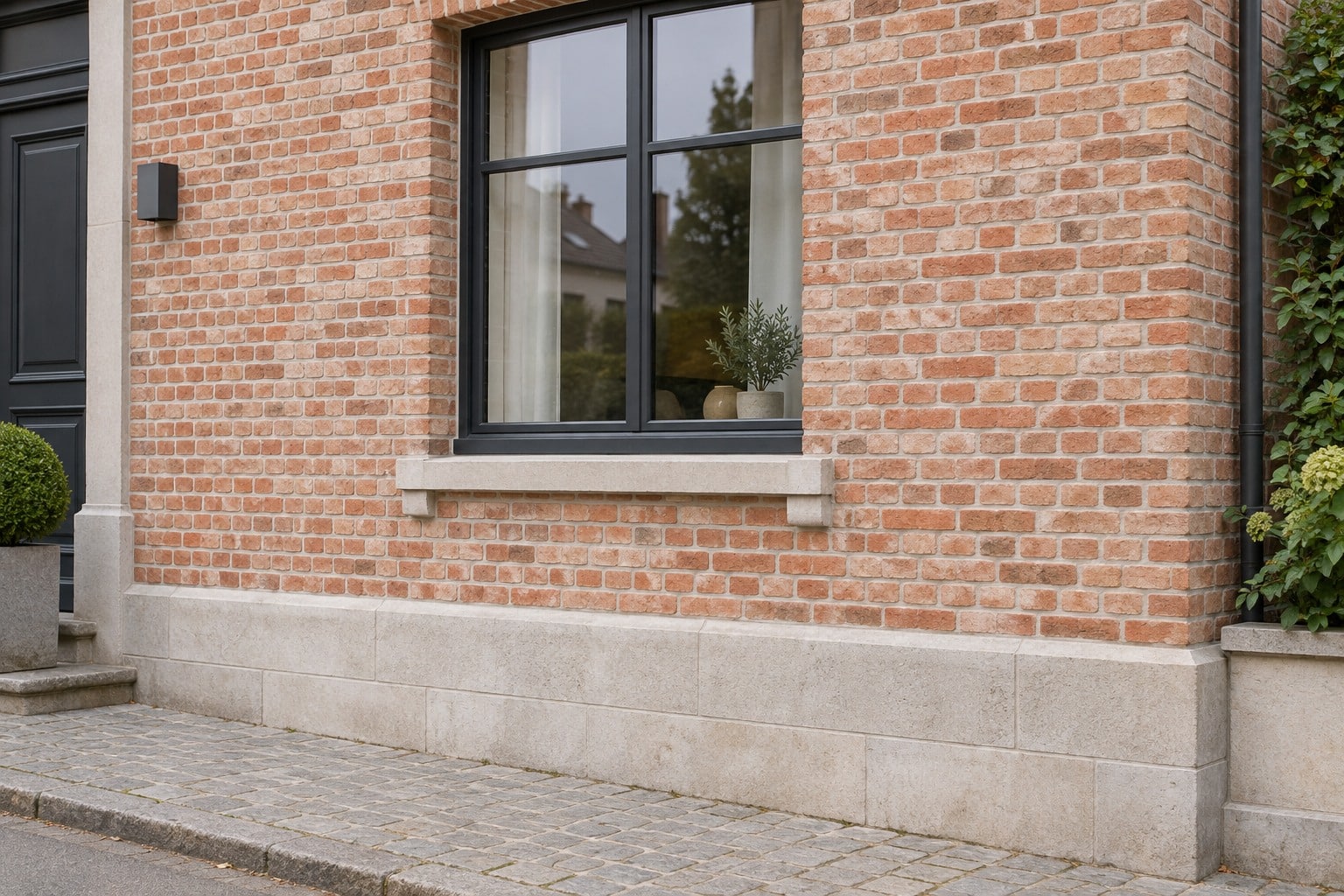
A patch that returns after rain provides useful information. The timing is a clue for investigation, but does not by itself reveal the route the water takes inside.
Keep a simple rain log
For each observation, record the date, room and location of the patch. Note whether it appeared during the shower or only the next day. Take photos from the same angle so you can compare its extent fairly later.
Also note when the patch does not change. This prevents a coincidence from being treated as certainty. A short series of clear observations is more useful than one close-up photo without context.
Look beyond the visible facade
Building defects such as a damaged gutter or a leaking pipe can also contribute to damp. The Flemish Department of Care identifies repairing such defects as part of the approach. More about moisture sources in the home.
- Which room and floor is the patch on?
- What is outside at that location?
- Have windows, roof edges or mortar joints been repaired before?
- Does the patch change with a different wind direction or a longer period of rain?
Have the route investigated
During an assessment, ask which possible routes will be checked and why. Discuss the condition of the facade and its junctions first, before considering a protective treatment.
On our page about water-repellent facade treatment you can read how preparation forms part of the approach. Bring your photos and rain log to the discussion.