
Frequently asked questions
Your questions.
Clear answers.
From the first damp patch to the finishing work, find answers that help you take the next step for your home.
ANSWERS
Good to know
Frequently asked questions
How can I spot a damp problem?
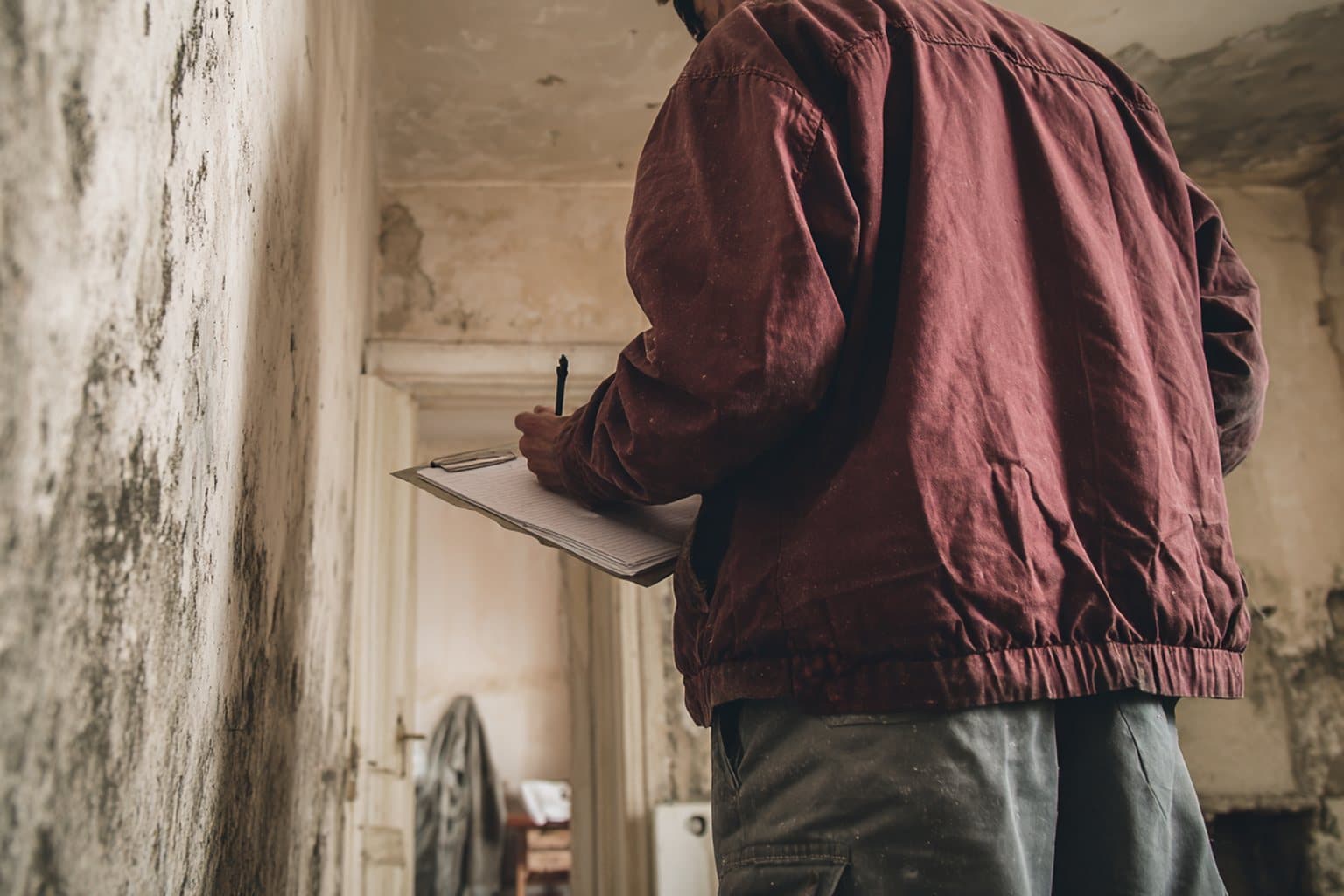
Damp patches, peeling paint, loose plaster or a musty smell can be signs of moisture. The cause is not always visible. An on-site assessment helps identify the right treatment.
What happens during a damp assessment?
We discuss what you have noticed, inspect the affected walls or rooms and take measurements where needed. We then explain the likely cause and next steps in plain language.
Which treatment does my home need?
It depends on the cause. Rising damp needs a different approach from basement water ingress or condensation caused by poor ventilation. We tailor our advice to your building.
How long do treatment and drying take?
Treatment and drying times depend on the scale of the problem, the materials and the chosen approach. We explain the schedule and when finishing work can be restored before work begins.
Will I receive a clear quote first?
After the assessment, we discuss the recommended approach. The quote explains the proposed work and costs, giving you time to decide.
Is rising damp the same as condensation?
No. The causes and treatments differ. Rising damp involves moisture moving through a wall; condensation involves humid air meeting cooler surfaces. A photo alone does not always establish the cause, so we assess the situation before recommending treatment.
Can I request a free damp assessment?
Yes. Use our contact form to request a free assessment. Describe the room, the visible damage and when it occurs. You can also call +32 471 62 50 28 or email info@xvocht.be.
When is wall injection a suitable treatment?
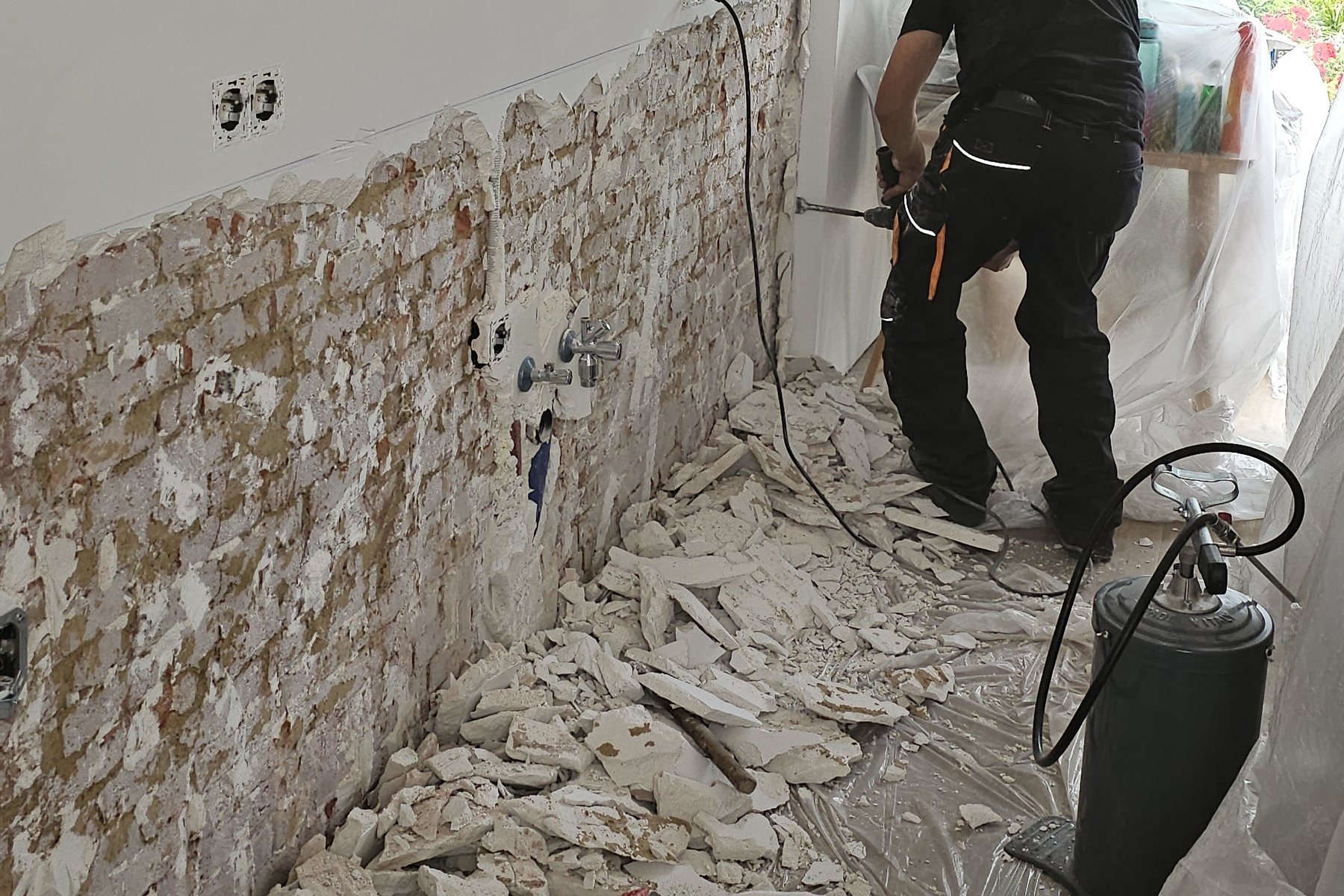
Wall injection is used for certain rising-damp problems. We first assess the cause and the condition of the wall, taking the floor and outside ground levels into account. It is not a general solution for every damp patch.
Does a facade need repairs before a water-repellent treatment?
We first check the condition of the facade and whether the material is suitable. Cracks, damaged joints or other defects may need repairs before treatment. Your proposal should explain which preparation and repairs are included.
Why can a basement be damp in summer?
Warm, humid air can condense on cooler basement surfaces. Water ingress or a leak may also be involved. Note when and where the damp appears so the situation can be assessed before choosing a treatment.
Is opening a window enough for ventilation?
Opening a window briefly airs a room, but it does not replace ongoing ventilation. For recurring condensation, we also look at the existing air supply and extraction and how the room is used.
When can I paint or plaster again after treatment?
The surface should first be checked to confirm that it is sufficiently dry and suitable for finishing. Drying and any salts may still need attention after treatment. We discuss how these checks fit into the finishing schedule.
How should I prepare for an assessment?
Take overview and close-up photos, note when the problem occurs and collect information about earlier repairs. Where possible, make the affected wall or room accessible, and let us know about any access restrictions in advance.
Together towards a healthier home
Ready for a drier home?
Tell us what you have noticed. Call +32 471 62 50 28, email info@xvocht.be or arrange a damp assessment.